Gospel Hill Historic District

Why it's listed
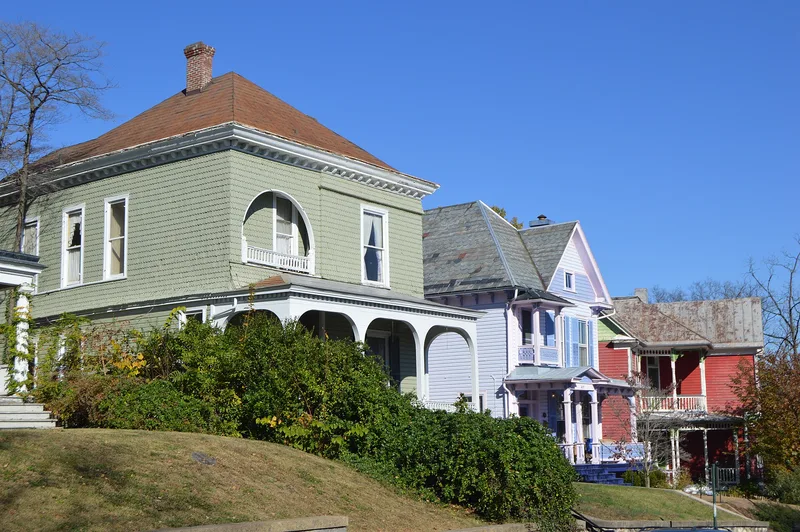
Gospel Hill is a hilly, tree-shaded residential neighborhood of about 68 acres just east-northeast of downtown Staunton. Its roughly 200 recorded structures range from modest cottages to mansions of fifteen or twenty rooms, and nearly all date from 1840 to 1930. Development accelerated after Beverley Street was extended in 1839 to reach the newly established school for the deaf and blind. Greek Revival brick houses of the 1840s were followed by homes in nearly every Victorian style, along with Colonial Revival, Tudor Revival and Bungalow designs. Limestone retaining walls and iron fences are common features. The oldest building is thought to be Kalorama, associated with the family of Sir William Beverley. Seven properties are individually listed, among them the Woodrow Wilson Birthplace. The district was recognized for its architectural variety, its strong integrity, and its record of Staunton's growth into a mercantile center of Western Virginia. Only nine buildings are considered non-contributing.
Machine-generated summary. This summary was generated by a language model from the official nomination document and has not been reviewed line by line by an editor. It may contain errors. Check the source document before relying on any detail. Source: nomination document (PDF) · catalog entry. Generated October 2026 (model claude-sonnet-5-5, prompt v1.0-2026-10-29).
| Styles | Greek Revival, Gothic Revival, Queen Anne, Richardsonian Romanesque, Shingle Style, Stick Style, Tudor Revival, Colonial and Georgian Revival, Bungalow, with Italianate and vernacular examples |
|---|---|
| Areas of significance | Architecture, Social History |
| Acreage | 68.1 |
| Boundary source | NPS cultural-resource GIS polygon |
| Full listing page | Gospel Hill Historic District (property record) |
What listing means for this property
This is a historic district. Buildings within its boundary are either contributing (they add to the district's significance) or non-contributing. Owners of contributing income-producing buildings can claim the 20% federal rehabilitation tax credit; homeowners should look at state credits. National Register districts impose no design review by themselves; a local historic district ordinance, if one exists, does (the difference explained).
General information, not legal or tax advice. Rules change; confirm with your State Historic Preservation Office or a qualified adviser.