Suffolk Historic District

Why it's listed
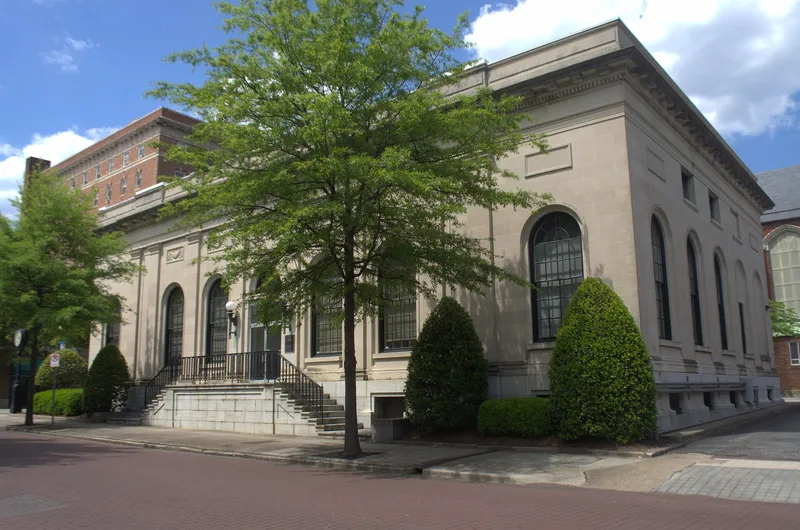
Suffolk Historic District covers about 62 acres of commercial and residential property in the City of Suffolk, Virginia, south of the railroad tracks and north of Washington Street. It is centered on North Main Street, an area added to the original town after 1785 when John Granberry surveyed building lots, and extends east into 'New Town', developed from about 1870 by John Franklin Pinner. The district holds 234 contributing buildings, most of them houses. Surviving early buildings include the Federal-style house at 227 North Main Street, begun around 1795. Later streets show a mix of modest vernacular homes and more elaborate designs. Bank Street has four Second Empire houses, including the Holland House, and Franklin Street has a row of Italianate residences built before 1885. The 1909 George W. Truitt house is described as the best American Renaissance residence, and the eight-story Suffolk Towers, built as the Elliott Hotel, anchors the downtown skyline. Together these buildings record Suffolk's rapid growth in the late nineteenth and early twentieth centuries.
Machine-generated summary. This summary was generated by a language model from the official nomination document and has not been reviewed line by line by an editor. It may contain errors. Check the source document before relying on any detail. Source: nomination document (PDF) · catalog entry. Generated October 2026 (model claude-sonnet-5-5, prompt v1.0-2026-10-29).
| Styles | Mixed: Federal, Greek Revival, Italianate, Second Empire, Queen Anne, Stick, Shingle, Bungalow, American Renaissance |
|---|---|
| Areas of significance | Commerce, Transportation, Architecture |
| Acreage | 62 |
| Boundary source | NPS cultural-resource GIS polygon |
| Full listing page | Suffolk Historic District (property record) |
What listing means for this property
This is a historic district. Buildings within its boundary are either contributing (they add to the district's significance) or non-contributing. Owners of contributing income-producing buildings can claim the 20% federal rehabilitation tax credit; homeowners should look at state credits. National Register districts impose no design review by themselves; a local historic district ordinance, if one exists, does (the difference explained).
General information, not legal or tax advice. Rules change; confirm with your State Historic Preservation Office or a qualified adviser.