Columbus Historic District
Why it's listed
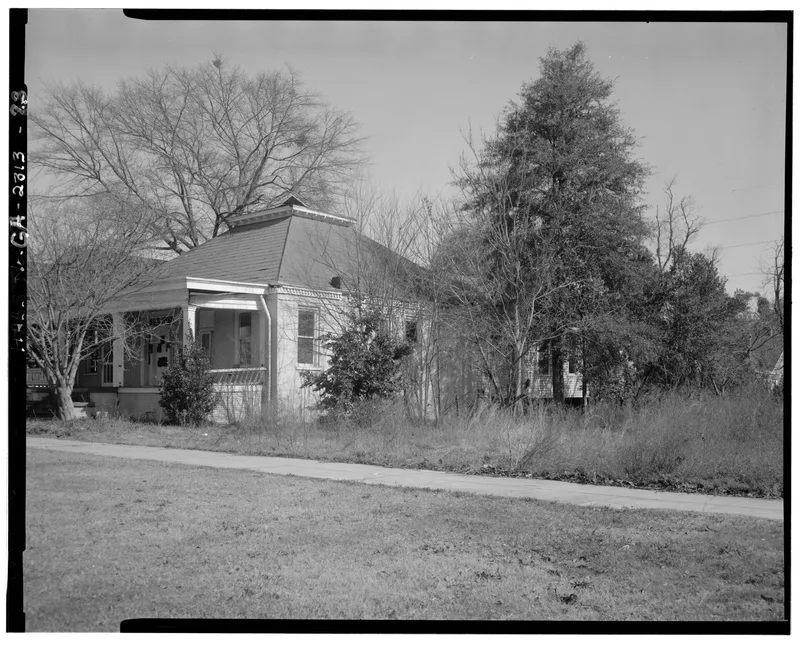
This historic district in Columbus, Georgia, covers twenty blocks and nine partial blocks of the city's original plan, laid out in 1828 by surveyor Edward Lloyd Thomas after Creek lands were cleared. Columbus was one of only four planned Georgia cities, and the district keeps that layout, including very wide streets. Broadway is 164 feet wide and still has its original brick paving, while other avenues are 132 feet wide and lined with rows of trees. Of roughly 612 structures, 187 were rated historically significant in a 1967 inventory. Architecture ranges from Georgian cottages to Greek Revival, Gothic Revival and Italian Villa houses. The district's most notable feature is a large group of small frame houses with pyramidal roofs resting on front verandas, a type considered native to Columbus. Listed in 1969 while an urban renewal plan was pending, the district had its boundaries reduced in 1972.
Machine-generated summary. This summary was generated by a language model from the official nomination document and has not been reviewed line by line by an editor. It may contain errors. Check the source document before relying on any detail. Source: nomination document (PDF) · catalog entry. Generated October 2026 (model claude-sonnet-5-5, prompt v1.0-2026-10-29).
| Styles | Georgian cottages, Greek Revival, Gothic Revival and Italian Villa, plus a local pyramidal-roof frame house type with front veranda and a related two-story row house |
|---|---|
| Areas of significance | Community Planning and Development, Landscape Architecture, Commerce, Architecture, Social History |
| Acreage | 1666 |
| Boundary source | NPS cultural-resource GIS polygon |
| Full listing page | Columbus Historic District (property record) |
What listing means for this property
This is a historic district. Buildings within its boundary are either contributing (they add to the district's significance) or non-contributing. Owners of contributing income-producing buildings can claim the 20% federal rehabilitation tax credit; homeowners should look at state credits. National Register districts impose no design review by themselves; a local historic district ordinance, if one exists, does (the difference explained).
General information, not legal or tax advice. Rules change; confirm with your State Historic Preservation Office or a qualified adviser.