Yosemite Valley

Why it's listed
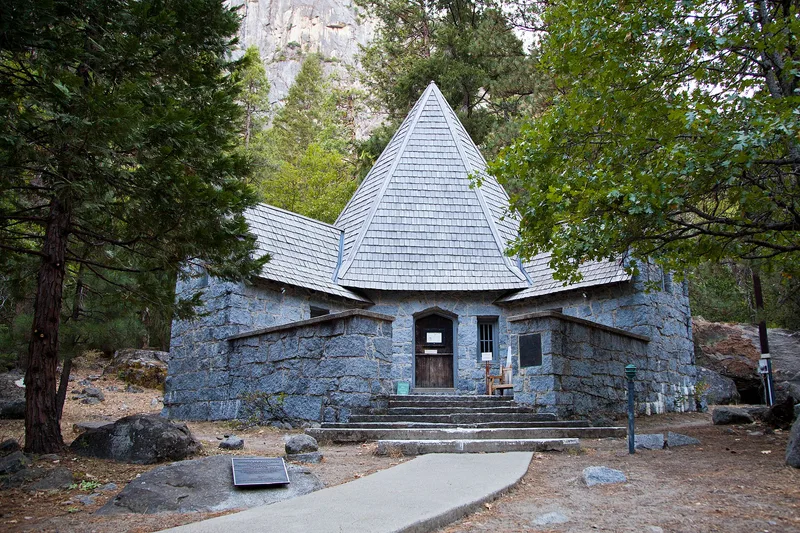
Yosemite Valley is a nine-mile granite gorge in the Sierra Nevada where the Merced River crosses a flat floodplain of meadows and oak and pine woodland, beneath cliffs such as El Capitan and Half Dome. This historic district covers the valley floor from Pohono Bridge to Mirror Lake and Vernal Fall. It includes roads, trails, bridges, stables, comfort stations, meadows, orchards and Camp 4, along with the Yosemite Village, Ahwahnee Hotel and Camp Curry areas. American Indians managed the valley with periodic burning for thousands of years. Tourists arrived in the 1850s, wagon roads followed in the 1870s, and after 1916 the National Park Service built visitor facilities in a rustic style meant to blend with the setting. The district's period of significance ends in 1942, when that program stopped. The valley's development footprint from that year survives, and the district retains exceptional integrity as a long experiment in preserving a natural landscape through park management.
Machine-generated summary. This summary was generated by a language model from the official nomination document and has not been reviewed line by line by an editor. It may contain errors. Check the source document before relying on any detail. Source: nomination document (PDF) · catalog entry. Generated October 2026 (model claude-sonnet-5-5, prompt v1.0-2026-10-29).
| Period of significance | 1850s-1942 (the form states 1942 as the end date; the start is described as the 1850s) |
|---|---|
| Styles | Bungalow/Craftsman; NPS Rustic |
| Areas of significance | Landscape Architecture, Architecture, Politics/Government, Community Planning and Development, Transportation, Entertainment/Recreation, Conservation |
| Acreage | 3800 |
| Boundary source | NPS cultural-resource GIS polygon |
| Full listing page | Yosemite Valley (property record) |
What listing means for this property
This is a historic district. Buildings within its boundary are either contributing (they add to the district's significance) or non-contributing. Owners of contributing income-producing buildings can claim the 20% federal rehabilitation tax credit; homeowners should look at state credits. National Register districts impose no design review by themselves; a local historic district ordinance, if one exists, does (the difference explained).
General information, not legal or tax advice. Rules change; confirm with your State Historic Preservation Office or a qualified adviser.