Room 405, George Herbert Jones Laboratory, The University of Chicago

Why it's listed
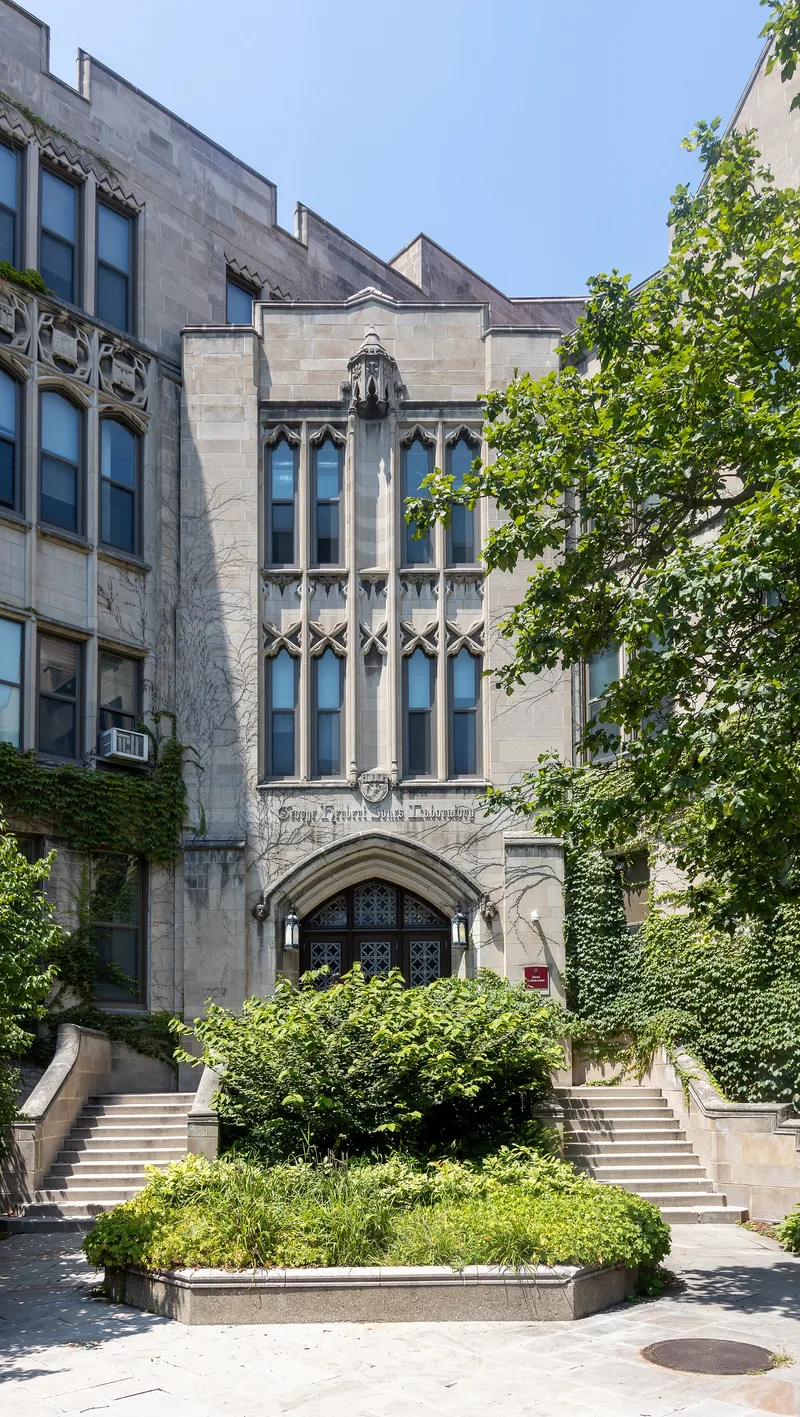
Room 405 is a small, pantry-like laboratory room of roughly six by nine feet, with shelves and counters along each wall. It sits on the fourth floor of the George Herbert Jones Chemical Laboratory, a 1929 building on the northwest side of the University of Chicago's main quadrangle. In this room, a group of chemists directed by Glenn T. Seaborg first isolated a pure compound of plutonium on August 18, 1942. On September 10, 1942, B. B. Cunningham and L. B. Werner prepared the first weighable sample of a synthetic element. The nomination describes this first isolation and weighing as a milestone in the development of nuclear energy, since plutonium became a basic fuel for nuclear power reactors. The room is set up with laboratory equipment and can be viewed through a glass door. It looks almost the same as in photographs from about 1942. A 1973 explosion destroyed the building's basement and first floor but left the room undamaged.
Significance in brief: In this room in 1942, chemists led by Glenn T. Seaborg first isolated a pure compound of the man-made element plutonium. Weeks later, B. B. Cunningham and L. B. Werner prepared the first weighable sample of a synthetic element. The form calls this a milestone in the development of nuclear energy.
Machine-generated summary. This summary was generated by a language model from the official nomination document and has not been reviewed line by line by an editor. It may contain errors. Check the source document before relying on any detail. Source: nomination document (PDF) · National Archives catalog entry. NRHP reference 67000005, listed May 28, 1967. Summary generated October 2026 (model claude-sonnet-5-5, prompt v1.0-2026-10-29, confidence medium).
Key facts
| Address | S. Ellis Ave. between E. 57th and 58th Sts., Chicago |
|---|---|
| County | Cook County |
| Listed | May 28, 1967 |
| Reference number | 67000005 |
| Resource type | Building |
| Period of significance | 1942 |
| Areas of significance | Science |
| Level of significance | National |
| National Historic Landmark | Yes, designated May 28, 1967 |
| Status (as stated in the nomination) | Room 405 is set up with laboratory equipment, can be viewed through a glass door, and looks virtually the same as in ca. 1942 photographs. It was undamaged by a 1973 explosion that destroyed the building's basement and first floor. The form checks occupied status and museum use. |
| Acreage | 0.9 |
| Within district | Chicago Park Boulevard System Historic District |
| Coordinates | 41.79038, -87.60107 (NPS GIS) |
What listing means for this property
For a publicly owned building or structure, listing mainly matters when federal funds, permits or licences are involved: projects then go through Section 106 review so effects on the property are considered. Listing also strengthens applications for preservation grants and, for leased income-producing uses, can enable the federal rehabilitation tax credit.
General information, not legal or tax advice. Rules change; confirm with your State Historic Preservation Office or a qualified adviser.
Sources and further reading
- National Park Service, National Register of Historic Places database (snapshot May 2026), reference 67000005.
- Nomination form (PDF, National Archives) — catalog entry
- Wikipedia article (used for cross-checking only; text not reproduced here)
- Wikidata Q5540529
- This listing as JSON
Last updated October 2026. Found an error? See the editorial policy for how to report it.