Goose Creek Historic District

Why it's listed
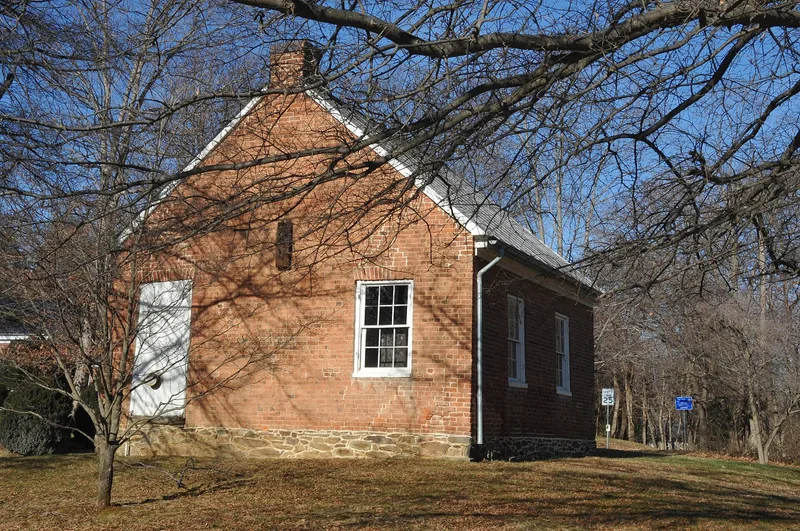
Goose Creek Historic District covers roughly 8,650 acres of farmland in central Loudoun County, Virginia, between Hogback Mountain and Black Oak Ridge. The village of Lincoln is its hub. English Quakers began settling the area in the 1730s, and it became the largest concentration of Quaker settlers in the state. They favored wheat and other grains on small farms worked by free labor, and many farms still follow the boundaries of 18th-century land patents. The district holds farmhouses, barns, meetinghouses, churches and schools in stone, brick, log and frame. About forty-four stone buildings, including seven barns and three churches, form the largest concentration of stone architecture in the county. Narrow, winding dirt roads laid out in the 18th century are largely unchanged. Quaker and Baptist churches, Lincoln's black churches of the 1880s, and an 1815 schoolhouse show the community's religious and educational life. A local preservation ordinance now protects the farmland and its scenery.
Machine-generated summary. This summary was generated by a language model from the official nomination document and has not been reviewed line by line by an editor. It may contain errors. Check the source document before relying on any detail. Source: nomination document (PDF) · catalog entry. Generated October 2026 (model claude-sonnet-5-5, prompt v1.0-2026-10-29).
| Period of significance | various |
|---|---|
| Styles | Rural vernacular architecture in stone, brick, log and frame, with Federal and Greek Revival examples |
| Areas of significance | Commerce, Exploration/Settlement, Architecture, Religion, Agriculture |
| Acreage | 865 |
| Boundary source | NPS cultural-resource GIS polygon |
| Full listing page | Goose Creek Historic District (property record) |
What listing means for this property
This is a historic district. Buildings within its boundary are either contributing (they add to the district's significance) or non-contributing. Owners of contributing income-producing buildings can claim the 20% federal rehabilitation tax credit; homeowners should look at state credits. National Register districts impose no design review by themselves; a local historic district ordinance, if one exists, does (the difference explained).
General information, not legal or tax advice. Rules change; confirm with your State Historic Preservation Office or a qualified adviser.