Old West Austin Historic District

Why it's listed
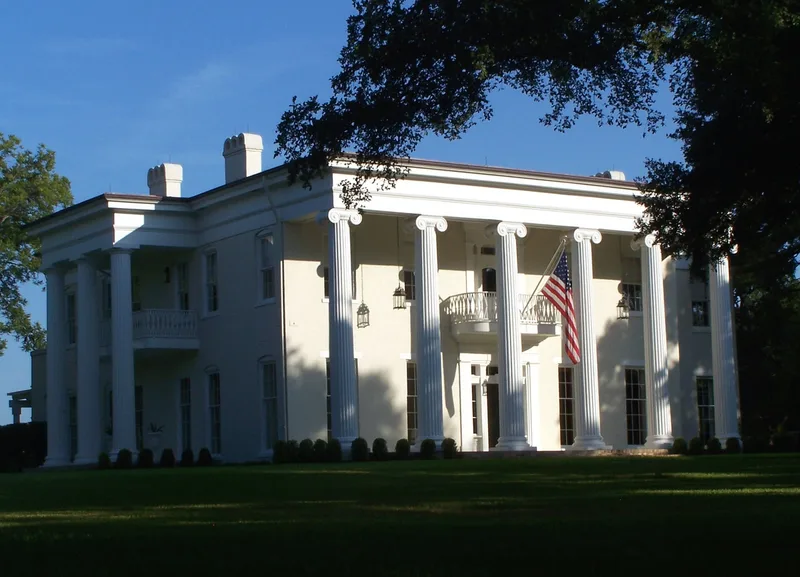
Old West Austin is a residential district of roughly 106 blocks on a plateau just west of downtown Austin. It combines three suburbs, Enfield, Pemberton Heights and Bryker Woods, with Pease Park along its eastern edge. The land was once part of the Pease family's Woodlawn plantation, whose 1853 Greek Revival house, designed by Abner Cook, still stands. Suburban building began in the 1920s and grew northward through the 1950s, with curving streets, small island parks and deed-restricted lots. The district holds 1,423 dwellings, ranging from Tudor Revival and Colonial Revival houses to bungalows, Moderne and International Style homes, and Ranch houses, along with garages and garage apartments. Nearly half are plain vernacular houses. It was listed for its role in Austin's suburban planning, for the development of its municipal parks, and for its varied architecture, which reflects national trends and the influence of the University of Texas School of Architecture.
Machine-generated summary. This summary was generated by a language model from the official nomination document and has not been reviewed line by line by an editor. It may contain errors. Check the source document before relying on any detail. Source: nomination document (PDF) · catalog entry. Generated October 2026 (model claude-sonnet-5-5, prompt v1.0-2026-10-29).
| Period of significance | 1853-1953 |
|---|---|
| Styles | Late 19th and 20th Century Revivals (Colonial, Classical, Italian Renaissance, Tudor, Mission/Spanish Colonial); Prairie School; Bungalow/Craftsman; Moderne; International Style; Ranch Style |
| Areas of significance | Community Planning and Development, Entertainment/Recreation, Architecture |
| Acreage | 635 |
| Boundary source | NPS cultural-resource GIS polygon |
| Full listing page | Old West Austin Historic District (property record) |
What listing means for this property
This is a historic district. Buildings within its boundary are either contributing (they add to the district's significance) or non-contributing. Owners of contributing income-producing buildings can claim the 20% federal rehabilitation tax credit; homeowners should look at state credits. National Register districts impose no design review by themselves; a local historic district ordinance, if one exists, does (the difference explained).
General information, not legal or tax advice. Rules change; confirm with your State Historic Preservation Office or a qualified adviser.