Monte Vista Residential Historic District

Why it's listed
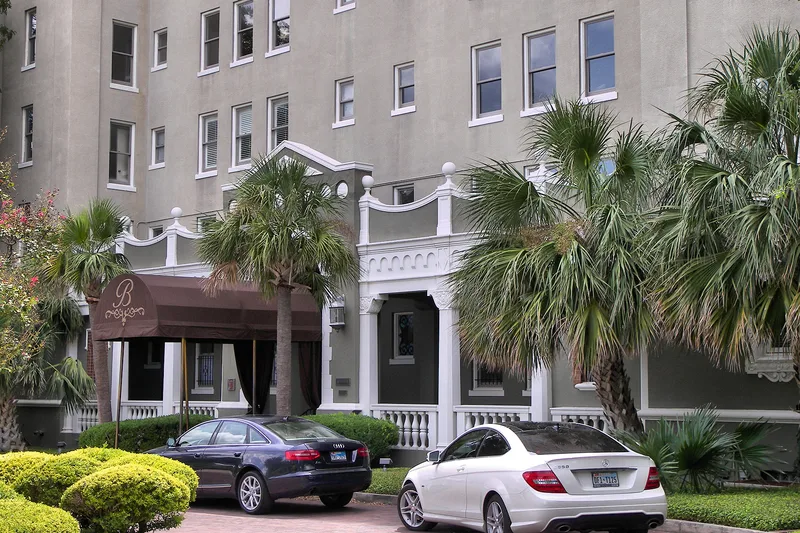
Monte Vista is a residential neighborhood of nearly 100 blocks spread across a rocky hill about 100 feet above downtown San Antonio. Development began slowly in 1882, continued through the turn of the century, and boomed in the 1920s and 1930s. The district takes its name from the largest of its platted subdivisions and also includes Laurel Heights, Summit Place, Oakmont, Northcrest and Gray Gables, among others. Houses range from architect-designed period revival residences to modest vernacular dwellings, bungalows and a few apartment buildings. Craftsman, Colonial Revival and Spanish Colonial Revival styles predominate, and clay tile with stucco or brick veneer was common. Nearly 1,000 historic garages, carriage houses and servants' quarters remain behind the lots. Landscape features include stone gateways, palm-lined parkways, live oaks, rear alleys and early paving such as granitoid and Callaghan. The district counts 1,718 contributing resources, and most properties have kept enough integrity to convey the neighborhood's historic character through 1950.
Machine-generated summary. This summary was generated by a language model from the official nomination document and has not been reviewed line by line by an editor. It may contain errors. Check the source document before relying on any detail. Source: nomination document (PDF) · catalog entry. Generated October 2026 (model claude-sonnet-5-5, prompt v1.0-2026-10-29).
| Period of significance | 1882-1950 |
|---|---|
| Styles | Late 19th and 20th Century Revivals; Late 19th and Early 20th Century American Movements (Craftsman, Colonial Revival, Spanish Colonial Revival, Tudor Revival, Prairie School and others) |
| Areas of significance | Community Planning and Development |
| Acreage | 545 |
| Boundary source | NPS cultural-resource GIS polygon |
| Full listing page | Monte Vista Residential Historic District (property record) |
What listing means for this property
This is a historic district. Buildings within its boundary are either contributing (they add to the district's significance) or non-contributing. Owners of contributing income-producing buildings can claim the 20% federal rehabilitation tax credit; homeowners should look at state credits. National Register districts impose no design review by themselves; a local historic district ordinance, if one exists, does (the difference explained).
General information, not legal or tax advice. Rules change; confirm with your State Historic Preservation Office or a qualified adviser.