Coatesville Historic District

Why it's listed
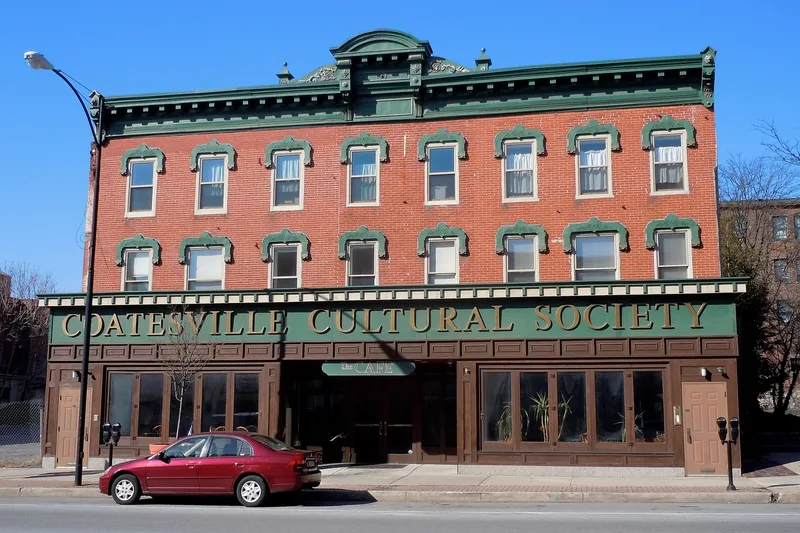
Coatesville's historic district covers the commercial and residential core of an iron and steel city in western Chester County, Pennsylvania, set on a narrow valley floor and up its slopes. Most of its 461 contributing buildings are two or three stories, mostly brick, and date from the mid-eighteenth century to 1937, with more than two-thirds erected between 1850 and 1924. East Lincoln Highway between First and Third Avenues holds the largest concentration of Italianate commercial blocks in western Chester County, dating from about 1850 to 1895. Industrialists built mansions on South First Avenue, including the Gothic Revival Terracina, begun in 1848 and linked to Rebecca Lukens. Worker housing in the southeast quadrant is largely Carpenter Gothic duplexes, a collection regarded as the largest of its kind in the county. Churches, municipal buildings and the Lukens Iron and Steel Company office add further architectural range.
Machine-generated summary. This summary was generated by a language model from the official nomination document and has not been reviewed line by line by an editor. It may contain errors. Check the source document before relying on any detail. Source: nomination document (PDF) · catalog entry. Generated October 2026 (model claude-haiku-5-5, prompt v1.1-2026-10-29).
| Period of significance | 1750-1937 |
|---|---|
| Styles | Italianate, Carpenter Gothic, Gothic Revival, Richardsonian, Queen Anne, Georgian Revival, Classic Revival, Second Renaissance Revival, Craftsman |
| Areas of significance | Commerce, Architecture |
| Acreage | 115 |
| Boundary source | NPS cultural-resource GIS polygon |
| Full listing page | Coatesville Historic District (property record) |
What listing means for this property
This is a historic district. Buildings within its boundary are either contributing (they add to the district's significance) or non-contributing. Owners of contributing income-producing buildings can claim the 20% federal rehabilitation tax credit; homeowners should look at state credits. National Register districts impose no design review by themselves; a local historic district ordinance, if one exists, does (the difference explained).
General information, not legal or tax advice. Rules change; confirm with your State Historic Preservation Office or a qualified adviser.