Garment Center Historic District

Why it's listed
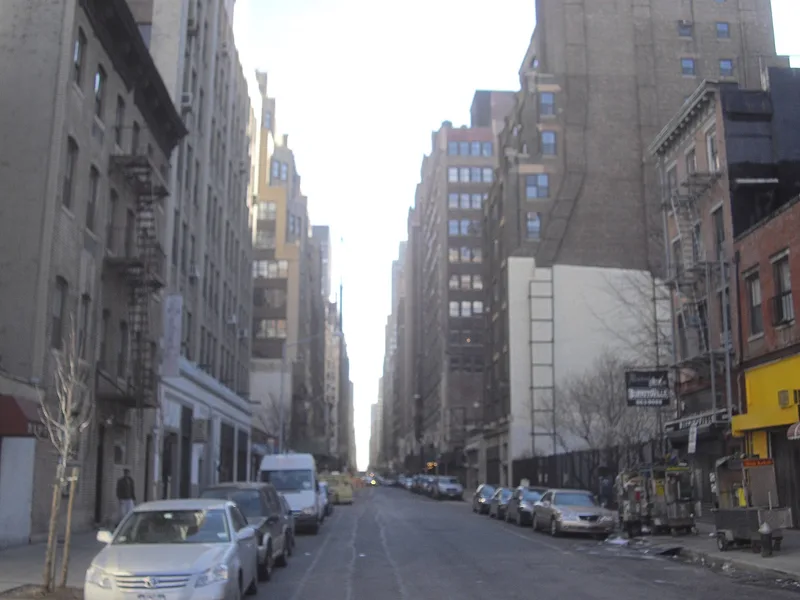
Spread across about 25 blocks of Midtown Manhattan between Sixth and Ninth Avenues, this district is the core of the city's Garment Center. Its 215 contributing buildings are mostly brick- and stone-faced loft and showroom towers, built largely between 1896 and 1931, that rise from the lot line to stepped setbacks required by the 1916 Zoning Resolution. Side streets are lined with buildings of 12 to 22 stories, while Seventh Avenue, Broadway and Eighth Avenue carry taller structures, some reaching 45 stories. Architects such as George and Edward Blum, Emery Roth and Ely Jacques Kahn gave many buildings Art Deco or eclectic ornament. Earlier survivors include a pre-Civil War firehouse, tenements, hotels, a Gothic church and former publishing headquarters. The district was listed because it reflects the economic and immigrant history of the garment industry and the development of commercial architecture between the two world wars, shaped by the 1811 street grid, zoning reform and the push to move the trade away from Fifth Avenue.
Machine-generated summary. This summary was generated by a language model from the official nomination document and has not been reviewed line by line by an editor. It may contain errors. Check the source document before relying on any detail. Source: nomination document (PDF) · catalog entry. Generated October 2026 (model claude-sonnet-5-5, prompt v1.0-2026-10-29).
| Styles | Early 20th Century American Movements (loft and showroom buildings); Moderne, Art Deco; Beaux-Arts, Classical Revival; Gothic Revival, Italianate |
|---|---|
| Areas of significance | Architecture, Community Planning and Development, Industry, Commerce, Social History, European |
| Acreage | 74 |
| Boundary source | NPS cultural-resource GIS polygon |
| Full listing page | Garment Center Historic District (property record) |
What listing means for this property
This is a historic district. Buildings within its boundary are either contributing (they add to the district's significance) or non-contributing. Owners of contributing income-producing buildings can claim the 20% federal rehabilitation tax credit; homeowners should look at state credits. National Register districts impose no design review by themselves; a local historic district ordinance, if one exists, does (the difference explained).
General information, not legal or tax advice. Rules change; confirm with your State Historic Preservation Office or a qualified adviser.