Lower Highlands Historic District

Why it's listed
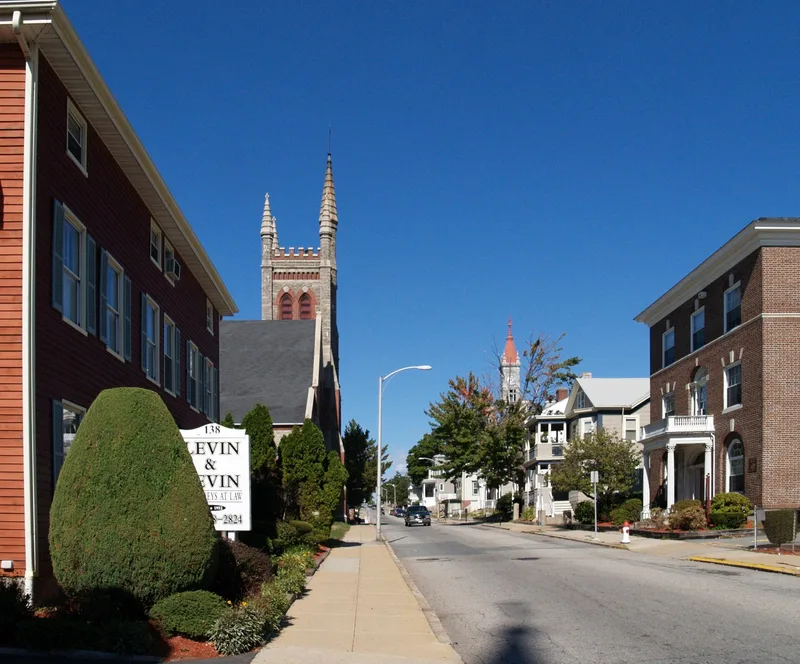
Lower Highlands is a neighborhood of modest and middle-class houses in Fall River, Massachusetts, built between about 1810 and 1930 near the early village center. It holds the city's largest surviving concentration of Federal and Greek Revival buildings, with Gothic Revival, Italianate, Second Empire, Stick Style and Colonial Revival examples alongside them. A fire in July 1843 destroyed twenty acres of the village, and merchants and manufacturers quickly rebuilt, producing a decade of construction that still largely stands. The district became the home of the city's middle and upper middle class, while wealthier mill owners built higher up in the Highlands. From the 1860s onward, new mills nearby led to simple one-to-six-family tenements for workers. Notable buildings include the Cataract Engine Company #3, the James D. Hathaway House, the Church of the Ascension, the Truesdale Clinic and the Women's Union. Most buildings remain in good condition.
Machine-generated summary. This summary was generated by a language model from the official nomination document and has not been reviewed line by line by an editor. It may contain errors. Check the source document before relying on any detail. Source: nomination document (PDF) · catalog entry. Generated October 2026 (model claude-sonnet-5-5, prompt v1.0-2026-10-29).
| Period of significance | ca.1810-1930 |
|---|---|
| Styles | Federal, Greek Revival, Italianate, Gothic Revival, Second Empire, Stick Style, Colonial Revival, and vernacular tenements |
| Areas of significance | Industry, Architecture |
| Acreage | 21.2 |
| Boundary source | NPS cultural-resource GIS polygon |
| Full listing page | Lower Highlands Historic District (property record) |
What listing means for this property
This is a historic district. Buildings within its boundary are either contributing (they add to the district's significance) or non-contributing. Owners of contributing income-producing buildings can claim the 20% federal rehabilitation tax credit; homeowners should look at state credits. National Register districts impose no design review by themselves; a local historic district ordinance, if one exists, does (the difference explained).
General information, not legal or tax advice. Rules change; confirm with your State Historic Preservation Office or a qualified adviser.