Chestnut Street District

Why it's listed
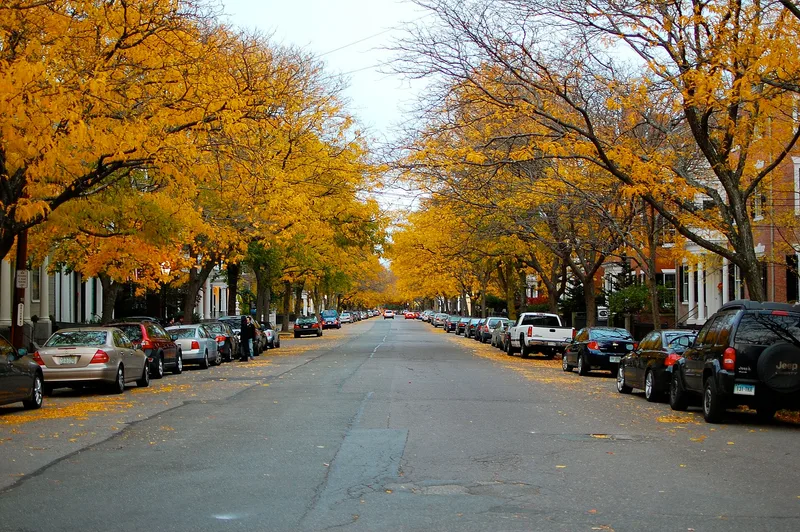
Western Salem holds a 45-acre district of more than 300 buildings, ranging from the seventeenth century to the early twentieth. Chestnut, Essex, Federal and Broad Streets carry the finest architecture. Chestnut Street, laid out in 1796 and eighty feet wide, is lined with three-story Federal mansions, while Essex Street offers earlier gambrel-roofed Georgian houses such as the Ropes Mansion and the Joseph Cabot House, plus the Witch House, built before 1674. Federal Street includes the Pierce-Nichols House, the Assembly House and the Cook-Oliver House. The district is significant as a record of the wealth from Salem's West Indies and Far East trade, which funded these homes. Samuel McIntire, master carver and architect, designed or influenced many of them, with ten houses attributed to him. Later buildings add Gothic Revival, Italianate and Colonial Revival examples, including First Church and the Public Library. Residents included Timothy Pickering, Nathaniel Hawthorne and several political figures.
Machine-generated summary. This summary was generated by a language model from the official nomination document and has not been reviewed line by line by an editor. It may contain errors. Check the source document before relying on any detail. Source: nomination document (PDF) · catalog entry. Generated October 2026 (model claude-sonnet-5-5, prompt v1.0-2026-10-29).
| Styles | Colonial, Georgian, Federal, Adamesque Federal, Greek Revival, Gothic Revival, Italianate, Colonial Revival |
|---|---|
| Areas of significance | Commerce, Architecture |
| Acreage | 45 |
| Boundary source | NPS cultural-resource GIS polygon |
| Full listing page | Chestnut Street District (property record) |
What listing means for this property
This is a historic district. Buildings within its boundary are either contributing (they add to the district's significance) or non-contributing. Owners of contributing income-producing buildings can claim the 20% federal rehabilitation tax credit; homeowners should look at state credits. National Register districts impose no design review by themselves; a local historic district ordinance, if one exists, does (the difference explained).
General information, not legal or tax advice. Rules change; confirm with your State Historic Preservation Office or a qualified adviser.