Northeast Evanston Historic District

Why it's listed
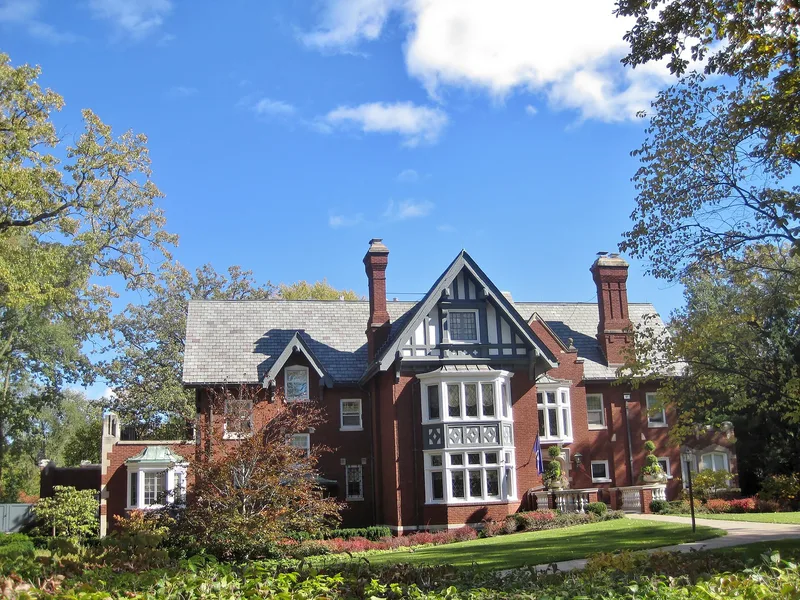
Northeast Evanston Historic District is a long, narrow residential neighborhood on Evanston's lakefront, north of the downtown. It contains 931 buildings and structures, including 546 primary buildings and hundreds of garages, barns and coach houses, most built between about 1860 and 1949. Single-family houses make up about 95% of the primary buildings, set on generous lots along wide, tree-lined streets. Colonial Revival, Craftsman and Tudor Revival houses dominate, alongside Queen Anne, Classical Revival, Prairie and other styles. Notable buildings include Orrington School, Roycemore School, Kendall College and several apartment courts. The district also contains the Grosse Point Light Station, a National Historic Landmark, the Harley B. Clarke House and public parks. Its significance rests on how fully it preserves the architecture and street pattern of an early twentieth-century suburban neighborhood, where alterations have mostly been limited to siding and porches.
Machine-generated summary. This summary was generated by a language model from the official nomination document and has not been reviewed line by line by an editor. It may contain errors. Check the source document before relying on any detail. Source: nomination document (PDF) · catalog entry. Generated October 2026 (model claude-sonnet-5-5, prompt v1.0-2026-10-29).
| Styles | Colonial Revival, Craftsman, Tudor Revival (predominant), with Queen Anne, Classical Revival, Prairie and other styles |
|---|---|
| Areas of significance | Architecture |
| Acreage | 201 |
| Boundary source | NPS cultural-resource GIS polygon |
| Full listing page | Northeast Evanston Historic District (property record) |
What listing means for this property
This is a historic district. Buildings within its boundary are either contributing (they add to the district's significance) or non-contributing. Owners of contributing income-producing buildings can claim the 20% federal rehabilitation tax credit; homeowners should look at state credits. National Register districts impose no design review by themselves; a local historic district ordinance, if one exists, does (the difference explained).
General information, not legal or tax advice. Rules change; confirm with your State Historic Preservation Office or a qualified adviser.