Prospect Historic District

Why it's listed
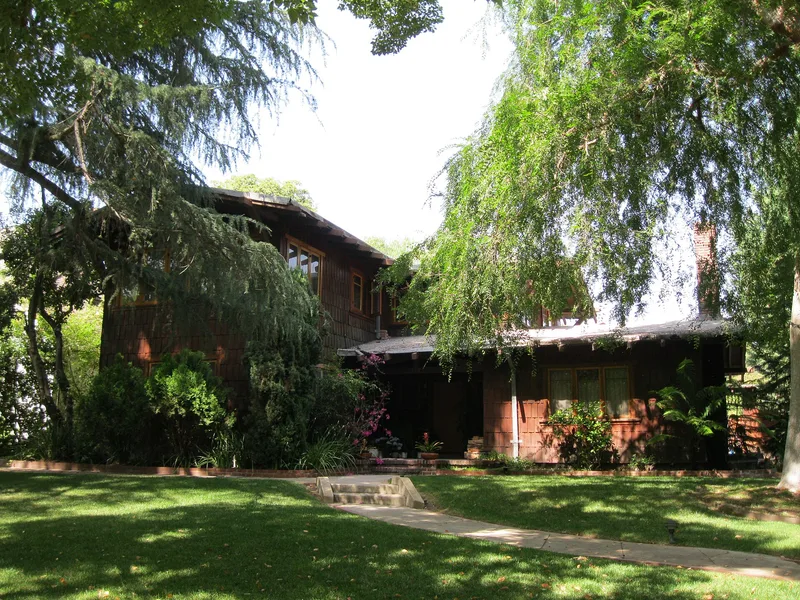
Prospect Historic District is a neighborhood of 108 single-family houses built between 1906 and 1930 in Pasadena, California. It covers the Prospect Park and Arroyo Park tracts, along streets such as Prospect Boulevard, Rosemont Avenue, Armada Drive and La Mesa Place. The homes show a wide range of styles, including Colonial, Spanish, French Normandy, English and Mediterranean Revival designs, Craftsman bungalows and California Ranch houses. Many were designed by recognized architects, among them Reginald Johnson, Marston & Van Pelt, and Millar & Hayes, and one ranch house won an A.I.A. award in 1927. The older Prospect Park Tract mixes Craftsman and Revival houses, while the later Arroyo Park Tract is almost entirely Revival in style. Streets are lined with mature trees, and the houses sit on larger than average lots on sloping ground. Apart from one house, none has been significantly altered, and newer buildings match the older ones in scale and setback.
Machine-generated summary. This summary was generated by a language model from the official nomination document and has not been reviewed line by line by an editor. It may contain errors. Check the source document before relying on any detail. Source: nomination document (PDF) · catalog entry. Generated October 2026 (model claude-sonnet-5-5, prompt v1.0-2026-10-29).
| Styles | Revival styles (Colonial, Spanish, French and English Medieval, Mission, Mediterranean, Classic), Craftsman bungalows, and California Ranch Style |
|---|---|
| Areas of significance | Landscape Architecture, Architecture |
| Acreage | 68.9 |
| Boundary source | NPS cultural-resource GIS polygon |
| Full listing page | Prospect Historic District (property record) |
What listing means for this property
This is a historic district. Buildings within its boundary are either contributing (they add to the district's significance) or non-contributing. Owners of contributing income-producing buildings can claim the 20% federal rehabilitation tax credit; homeowners should look at state credits. National Register districts impose no design review by themselves; a local historic district ordinance, if one exists, does (the difference explained).
General information, not legal or tax advice. Rules change; confirm with your State Historic Preservation Office or a qualified adviser.