Cranz, Edward, Farm
Also known as: NPS Tract #120-33; List of Classified Structures HS-564-568
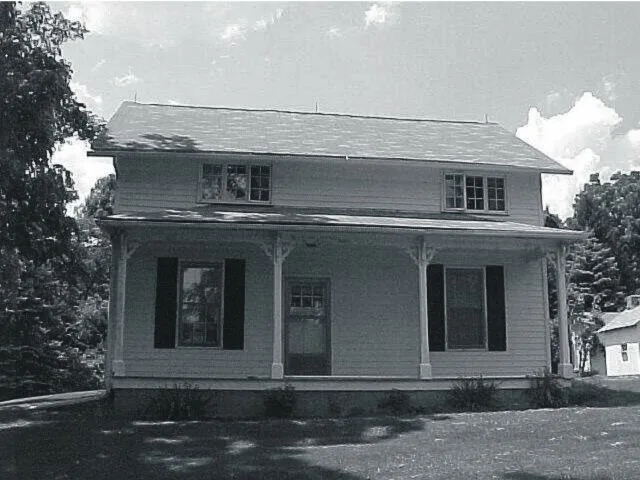

Why it's listed
Set on a plateau along Oak Hill Road in Peninsula, Ohio, this 12-acre farmstead was established by Edward Cranz, a German-born former merchant who bought the land in 1865 and finished the house in 1867. The core is a New England one-and-a-half-story form with modest Greek Revival touches, enlarged in 1890 and again in the 1970s. Surviving outbuildings include a smokehouse, chicken coop, carriage house, toolshed and bull pen, arranged with the surrounding fields. In 1870 the farm kept twelve cows, 33 sheep and a few hogs, and produced butter, cheese, wool and grain. Cranz belonged to the county agricultural society, and his son expanded the outbuildings around 1900. The farm outlasted the decline of many valley farms by diversifying into gravel sales around 1930. It is listed for its agricultural record and for buildings that show valley farming practices.
Significance in brief: It is significant under Criterion A as a prosperous upland dairy and sheep farm that survived the early 20th-century agricultural decline in the Cuyahoga Valley. Under Criterion C, its outbuildings and spatial layout reflect building practices tied to the valley's farming history. The farmhouse is considered historically significant but not architecturally significant because of later alterations.
Machine-generated summary. This summary was generated by a language model from the official nomination document and has not been reviewed line by line by an editor. It may contain errors. Check the source document before relying on any detail. Source: nomination document (PDF) · National Archives catalog entry. NRHP reference 93000077, listed March 12, 1993. Summary generated October 2026 (model claude-sonnet-5-5, prompt v1.0-2026-10-29, confidence medium).
Key facts
| Address | 2780 Oak Hill Dr., Peninsula |
|---|---|
| County | Summit County |
| Listed | March 12, 1993 |
| Reference number | 93000077 |
| Resource type | District |
| Period of significance | 1867-1930 |
| Architect / builder | Unknown |
| Architectural style | Mid-19th Century; New England One-and-One-Half house type |
| Criteria |
|
| Areas of significance | Agriculture, Architecture |
| Level of significance | Local |
| Status (as stated in the nomination) | Federally owned since 1979; the house is still used as a single dwelling. The 1970s additions and a modern pole barn are noncontributing. |
| Acreage | 12 |
| Within district | Valley Railway Historic District |
| Coordinates | 41.19738, -81.59175 (NPS GIS) |
What listing means for this property
This is a historic district. Buildings within its boundary are either contributing (they add to the district's significance) or non-contributing. Owners of contributing income-producing buildings can claim the 20% federal rehabilitation tax credit; homeowners should look at state credits. National Register districts impose no design review by themselves; a local historic district ordinance, if one exists, does (the difference explained).
General information, not legal or tax advice. Rules change; confirm with your State Historic Preservation Office or a qualified adviser.
Sources and further reading
- National Park Service, National Register of Historic Places database (snapshot May 2026), reference 93000077.
- Nomination form (PDF, National Archives) — catalog entry
- Wikidata Q100423498
- This listing as JSON
Last updated October 2026. Found an error? See the editorial policy for how to report it.