Waverly Hills Historic District

Why it's listed
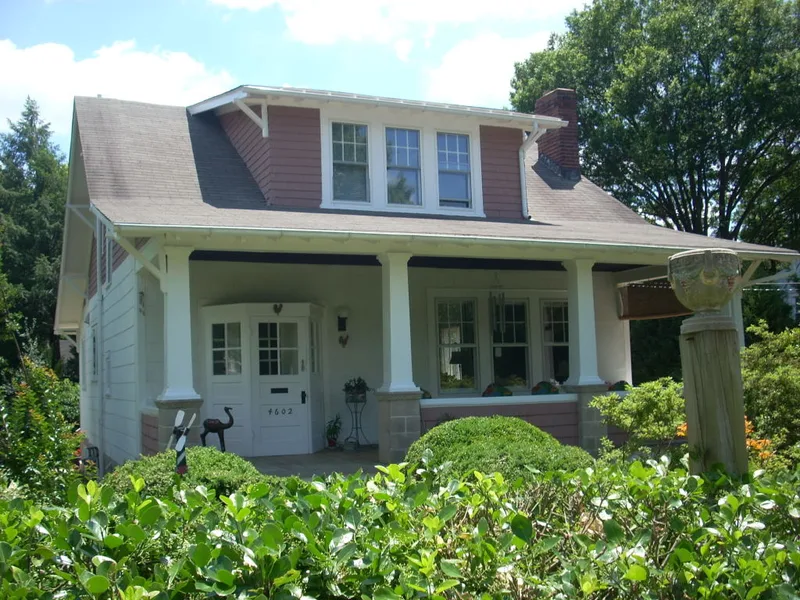
Waverly Hills is a suburban neighborhood in Arlington County, Virginia, about five miles west of Washington, D.C. It combines five subdivisions platted between 1919 and 1939: Willette Heights, Clarenford, Waverly Hills Section 3, Hines Addition to Waverly, and Waverly Village East. The district is bounded by North Glebe Road, North Utah Street, Interstate 66, and 20th Road North. Its earliest structure is the Glebe House, believed to date to about 1850 and replacing a building from about 1775 that served the rector of Fairfax Parish. Most other houses were built from the 1930s into the 1940s. Tudor Revival dominates the southern half, while Colonial Revival, including Cape Cod cottages, dominates the northern half. A few Craftsman bungalows and one Dutch Colonial Revival house also appear. The district has 439 contributing resources, mostly brick houses and garages. Later alterations have been limited, and the setback, scale, and suburban character of the neighborhood remain largely intact.
Machine-generated summary. This summary was generated by a language model from the official nomination document and has not been reviewed line by line by an editor. It may contain errors. Check the source document before relying on any detail. Source: nomination document (PDF) · catalog entry. Generated October 2026 (model claude-sonnet-5-5, prompt v1.0-2026-10-29).
| Styles | Late 19th and 20th Century Revivals (Tudor Revival, Colonial Revival); Late 19th and Early 20th Century Movements (Bungalow/Craftsman) |
|---|---|
| Areas of significance | Community Planning and Development, Architecture |
| Acreage | 89.1 |
| Boundary source | NPS cultural-resource GIS polygon |
| Full listing page | Waverly Hills Historic District (property record) |
What listing means for this property
This is a historic district. Buildings within its boundary are either contributing (they add to the district's significance) or non-contributing. Owners of contributing income-producing buildings can claim the 20% federal rehabilitation tax credit; homeowners should look at state credits. National Register districts impose no design review by themselves; a local historic district ordinance, if one exists, does (the difference explained).
General information, not legal or tax advice. Rules change; confirm with your State Historic Preservation Office or a qualified adviser.