Smithfield Historic District

Why it's listed
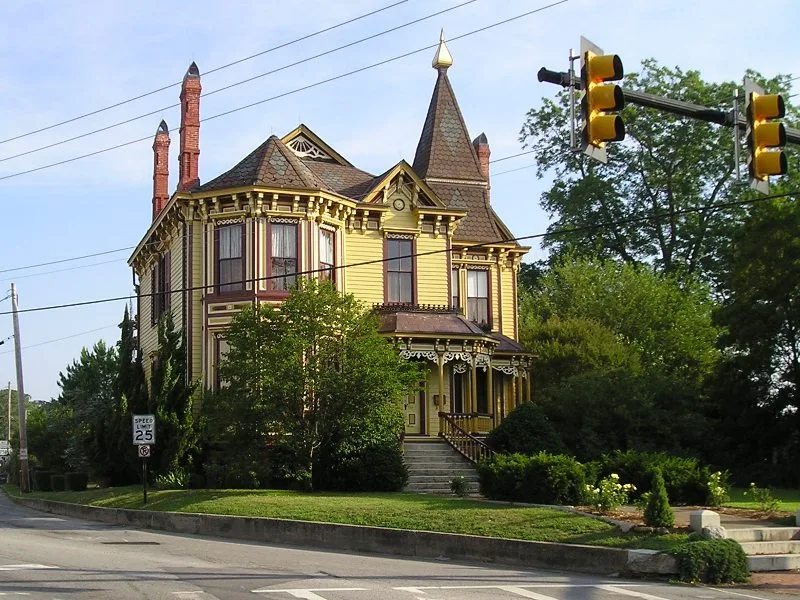
Smithfield is a compact tidewater town of about 1,000 people on the Pagan River, laid out after the Isle of Wight County court moved its seat there in 1749. County surveyor Jordan Thomas platted seventy-two lots, each large enough for a garden, orchard and livestock. The historic district takes in the original town, with the greatest concentration of notable buildings along tree-lined Church Street. Houses range from mid-eighteenth-century Georgian examples such as the Wentworth-Barrett and Todd houses to Federal townhouses, Victorian homes built by peanut and ham-packing families, and Romanesque Revival churches from the late nineteenth and early twentieth centuries. Smithfield was a port exporting staves, peas and bacon to England and the West Indies, and it later became known for its packing houses and peanut industry. Its architecture is small in scale and generally well preserved, and recent restorations have helped protect important landmarks. Utility poles and some modern commercial buildings are the main visual drawbacks noted.
Machine-generated summary. This summary was generated by a language model from the official nomination document and has not been reviewed line by line by an editor. It may contain errors. Check the source document before relying on any detail. Source: nomination document (PDF) · catalog entry. Generated October 2026 (model claude-sonnet-5-5, prompt v1.0-2026-10-29).
| Period of significance | 18th and 19th centuries (checked on form); architecture noted from 1750 to the present |
|---|---|
| Styles | Mixed: Georgian, Federal, Victorian, Queen Anne, Second Empire, Gothic Cottage, Romanesque Revival and Colonial Revival |
| Areas of significance | Community Planning and Development, Commerce, Military, Architecture, Social History |
| Acreage | 200 |
| Boundary source | NPS cultural-resource GIS polygon |
| Full listing page | Smithfield Historic District (property record) |
What listing means for this property
This is a historic district. Buildings within its boundary are either contributing (they add to the district's significance) or non-contributing. Owners of contributing income-producing buildings can claim the 20% federal rehabilitation tax credit; homeowners should look at state credits. National Register districts impose no design review by themselves; a local historic district ordinance, if one exists, does (the difference explained).
General information, not legal or tax advice. Rules change; confirm with your State Historic Preservation Office or a qualified adviser.