Oatlands Historic District

Why it's listed
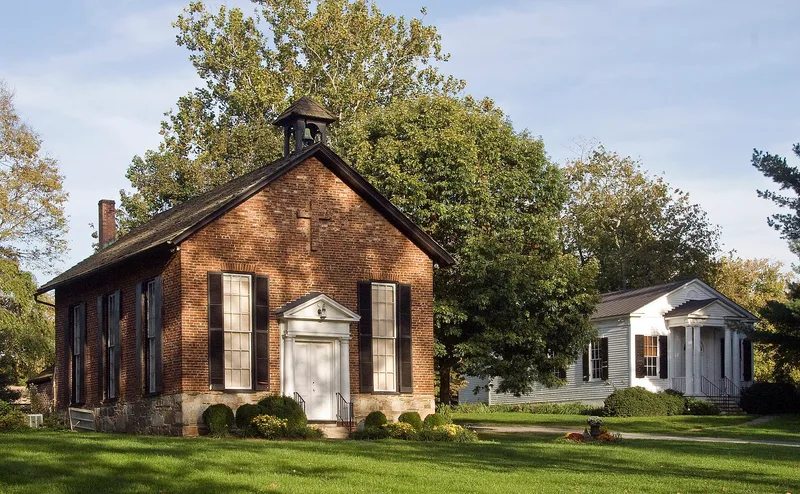
Southwest of Leesburg, this 947-acre district in Loudoun County extends the setting of George Carter's Oatlands plantation. Earlier protection covered the main house and about 300 acres; later gifts and easements tripled the area to preserve the open landscape. Three sites are described. Oatland Mills, on Goose Creek, survives as stone and brick fragments and traces of the mill race. A surviving ledger from 1816 to 1825 records Carter's milling and other services, and the mill was destroyed about 1905. Mountain Gap School is a small red one-room building, apparently from the late nineteenth century, and was the last operating one-room school in the county when it closed in 1953. The Church of Our Savior, an Episcopal brick church consecrated in 1878, keeps a gallery above its west entrance. Together they formed a small crossroads community and show how the plantation operated.
Machine-generated summary. This summary was generated by a language model from the official nomination document and has not been reviewed line by line by an editor. It may contain errors. Check the source document before relying on any detail. Source: nomination document (PDF) · catalog entry. Generated October 2026 (model claude-sonnet-5-5, prompt v1.0-2026-10-29).
| Areas of significance | Landscape Architecture, Commerce, Agriculture, Historic - Non-Aboriginal, Architecture |
|---|---|
| Acreage | 947 |
| Boundary source | NPS cultural-resource GIS polygon |
| Full listing page | Oatlands Historic District (property record) |
What listing means for this property
This is a historic district. Buildings within its boundary are either contributing (they add to the district's significance) or non-contributing. Owners of contributing income-producing buildings can claim the 20% federal rehabilitation tax credit; homeowners should look at state credits. National Register districts impose no design review by themselves; a local historic district ordinance, if one exists, does (the difference explained).
General information, not legal or tax advice. Rules change; confirm with your State Historic Preservation Office or a qualified adviser.