Hampton Downtown Historic District

Why it's listed
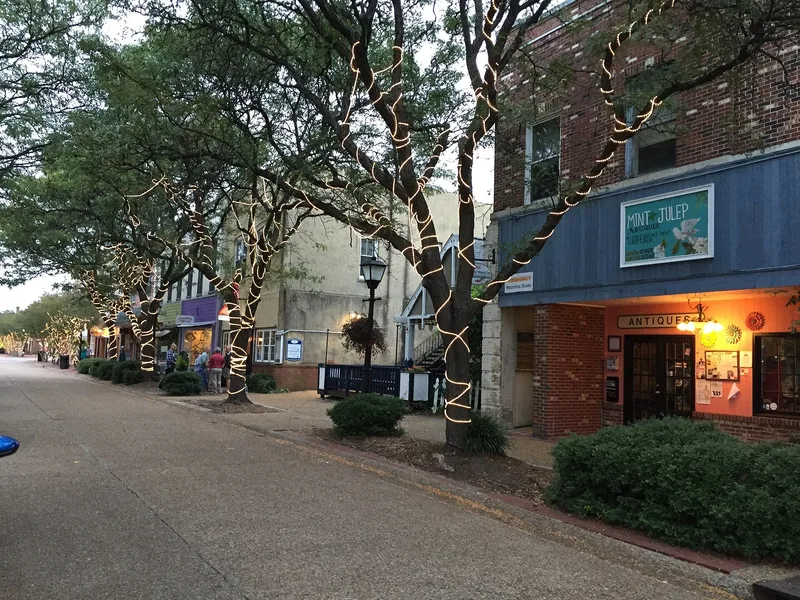
Downtown Hampton, Virginia, grew from a port town whose cross-shaped street plan, formed by King and Queen Streets, was laid out in 1691. The historic district covers about 26 acres and holds 43 primary resources, 34 of them contributing to its character. Most buildings are brick or masonry commercial structures from the late nineteenth to mid-twentieth century, rebuilt after Confederate forces burned the city in 1861 and a second fire struck in 1884. Notable landmarks include St. John's Episcopal Church, whose walls date to 1728, the 1876 courthouse, the 1883 Hampton Baptist Church, a 1914 post office and the Art Deco former City Hall of 1938. Archaeological sites beneath the streets and buildings preserve evidence of wells, taverns and dwellings from the colonial era. The district was recognized for archaeology, architecture, commerce and community planning, covering the years 1691 to 1952, and it keeps its original street layout despite later infill and redevelopment.
Machine-generated summary. This summary was generated by a language model from the official nomination document and has not been reviewed line by line by an editor. It may contain errors. Check the source document before relying on any detail. Source: nomination document (PDF) · catalog entry. Generated October 2026 (model claude-sonnet-5-5, prompt v1.0-2026-10-29).
| Period of significance | 1691-1952 |
|---|---|
| Styles | Colonial; Late Victorian: Second Gothic Revival; Beaux Arts; Commercial Style; Art Deco |
| Areas of significance | Architecture, Community Planning and Development, Historic - Non-Aboriginal, Commerce |
| Acreage | 26 |
| Boundary source | NPS cultural-resource GIS polygon |
| Full listing page | Hampton Downtown Historic District (property record) |
What listing means for this property
This is a historic district. Buildings within its boundary are either contributing (they add to the district's significance) or non-contributing. Owners of contributing income-producing buildings can claim the 20% federal rehabilitation tax credit; homeowners should look at state credits. National Register districts impose no design review by themselves; a local historic district ordinance, if one exists, does (the difference explained).
General information, not legal or tax advice. Rules change; confirm with your State Historic Preservation Office or a qualified adviser.