Floris Historic District

Why it's listed
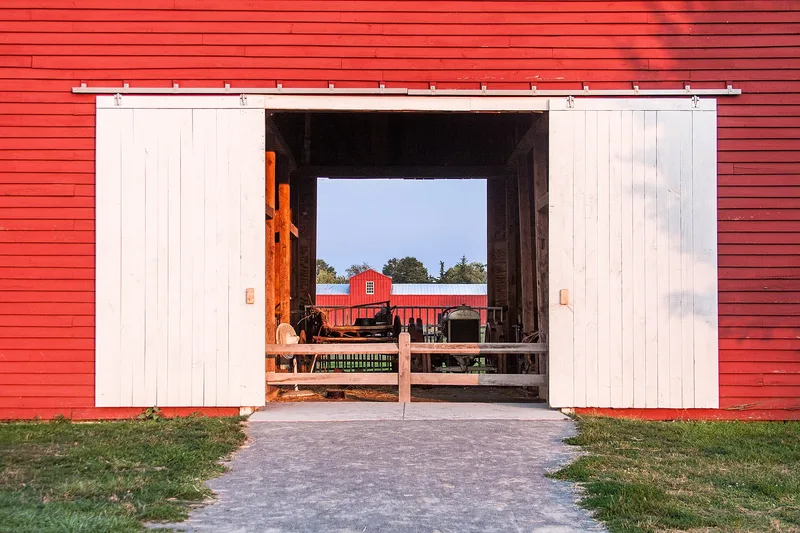
Floris is a small rural village and farming district in western Fairfax County, Virginia, now surrounded by suburban development. Its core is the crossroads of Centreville Road and West Ox Road, with the Frying Pan Meetinghouse to the northwest and two farms, Ellmore and Kidwell, on the east side. Much of the land is part of Frying Pan Farm Park, which preserves and interprets farm life from the 1920s to the 1950s. The meetinghouse, built about 1785, is the earliest building. Most other main resources date from the 1890s to the 1920s and are modest vernacular houses, schools, and a Methodist church, with some Colonial Revival and Gothic Revival details. The district is recognized for showing how a dairy farming community developed in Northern Virginia from the late nineteenth century to about 1960. Its fields, farmsteads, and village layout still convey that agricultural past, although some buildings have been lost or altered and the park has added newer structures.
Machine-generated summary. This summary was generated by a language model from the official nomination document and has not been reviewed line by line by an editor. It may contain errors. Check the source document before relying on any detail. Source: nomination document (PDF). Generated October 2026 (model claude-sonnet-5-5, prompt v1.0-2026-10-29).
| Period of significance | circa 1785-circa 1960 |
|---|---|
| Styles | Early Republic/Vernacular; Late Gothic Revival; Colonial Revival |
| Areas of significance | Architecture, Agriculture, Community Planning and Development, Education, Entertainment/Recreation, Ethnic Heritage-Black, Social History |
| Acreage | 138 |
| Boundary source | NPS cultural-resource GIS polygon |
| Full listing page | Floris Historic District (property record) |
What listing means for this property
This is a historic district. Buildings within its boundary are either contributing (they add to the district's significance) or non-contributing. Owners of contributing income-producing buildings can claim the 20% federal rehabilitation tax credit; homeowners should look at state credits. National Register districts impose no design review by themselves; a local historic district ordinance, if one exists, does (the difference explained).
General information, not legal or tax advice. Rules change; confirm with your State Historic Preservation Office or a qualified adviser.