Ashton Heights Historic District

Why it's listed
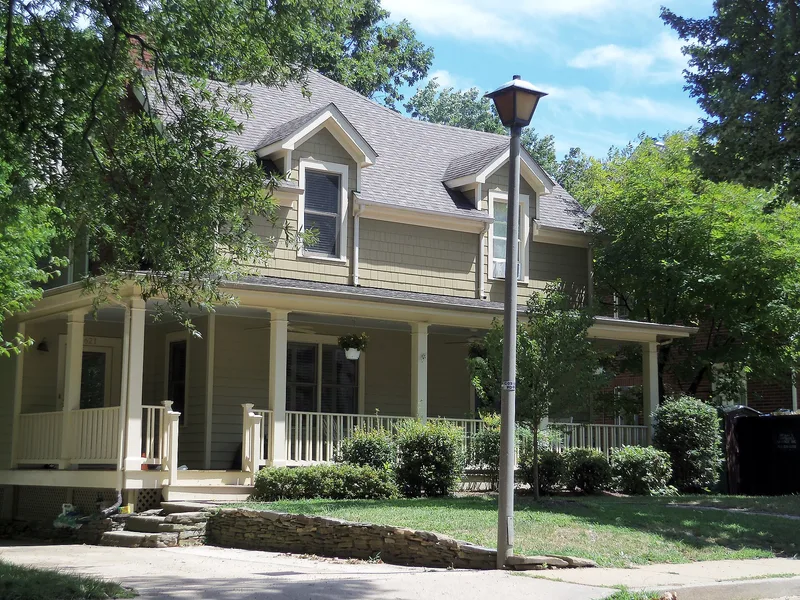
Ashton Heights is a residential neighborhood in central Arlington County, Virginia, about three miles from Washington, D.C. Ashton C. Jones platted it in 1921 on roughly sixty-one acres and it grew through 23 additions to about 220 acres. The northern part began developing before 1921 as part of Clarendon. The district holds 1,099 contributing resources and 162 noncontributing ones, mainly single-family houses built before 1950. Colonial Revival makes up over 60 percent of the building stock, and bungalows with Craftsman detailing account for over 31 percent. Tudor Revival houses, Queen Anne dwellings, American Foursquares, Cape Cods and at least ten Sears kit houses add variety. Garden apartments such as the Kenmore Apartments, three churches, the Women's Club of Ashton Heights and Columbia Gardens Cemetery are also within the boundaries. Mature shade trees planted under the subdivision plan line many of the gridded streets. The district was listed as a representative example of early and mid-20th-century suburban growth in Arlington.
Machine-generated summary. This summary was generated by a language model from the official nomination document and has not been reviewed line by line by an editor. It may contain errors. Check the source document before relying on any detail. Source: nomination document (PDF) · catalog entry. Generated October 2026 (model claude-sonnet-5-5, prompt v1.0-2026-10-29).
| Styles | Late Victorian/Queen Anne; Colonial Revival; Tudor Revival; Late Gothic Revival; Bungalow/Craftsman; Modern |
|---|---|
| Areas of significance | Architecture, Commerce |
| Acreage | 220.6 |
| Boundary source | NPS cultural-resource GIS polygon |
| Full listing page | Ashton Heights Historic District (property record) |
What listing means for this property
This is a historic district. Buildings within its boundary are either contributing (they add to the district's significance) or non-contributing. Owners of contributing income-producing buildings can claim the 20% federal rehabilitation tax credit; homeowners should look at state credits. National Register districts impose no design review by themselves; a local historic district ordinance, if one exists, does (the difference explained).
General information, not legal or tax advice. Rules change; confirm with your State Historic Preservation Office or a qualified adviser.