Sunset Heights Historic District

Why it's listed
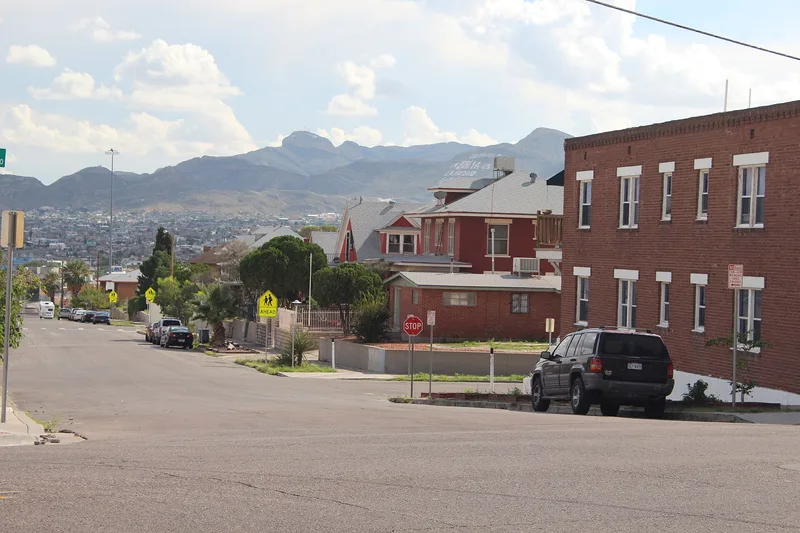
Sunset Heights is a residential neighborhood of roughly 600 principal buildings set on a rocky escarpment above the Rio Grande in El Paso. Platted in 1884, it was built up mainly in the first decades of the 20th century, after part of the hill was leveled in 1902 to supply fill for the downtown Union Station. Streets bend and slope around the terrain, so some houses sit on high terraces with granite retaining walls while others have sunken gardens and full basements. Homes have masonry or stucco over wood frames, a response to scarce lumber, and range from modest bungalows to large Classical, Tudor and Spanish Colonial Revival houses. Architect Henry C. Trost lived here and designed several buildings, including his own Prairie-style house. The district was recognized for its planning, its architecture and its ties to figures on both sides of the border. Decline began in the 1930s, and restoration efforts have grown since 1976.
Machine-generated summary. This summary was generated by a language model from the official nomination document and has not been reviewed line by line by an editor. It may contain errors. Check the source document before relying on any detail. Source: nomination document (PDF) · catalog entry. Generated October 2026 (model claude-sonnet-5-5, prompt v1.0-2026-10-29).
| Period of significance | 1895-1938 |
|---|---|
| Styles | Mixed early 20th century styles: Bungalow, American Foursquare, Classical Revival, Spanish Colonial Revival, Tudor Revival, Prairie, Queen Anne, Mission Revival |
| Areas of significance | Community Planning and Development, Politics/Government, Architecture |
| Acreage | 170 |
| Boundary source | NPS cultural-resource GIS polygon |
| Full listing page | Sunset Heights Historic District (property record) |
What listing means for this property
This is a historic district. Buildings within its boundary are either contributing (they add to the district's significance) or non-contributing. Owners of contributing income-producing buildings can claim the 20% federal rehabilitation tax credit; homeowners should look at state credits. National Register districts impose no design review by themselves; a local historic district ordinance, if one exists, does (the difference explained).
General information, not legal or tax advice. Rules change; confirm with your State Historic Preservation Office or a qualified adviser.