Manheim Borough Historic District

Why it's listed
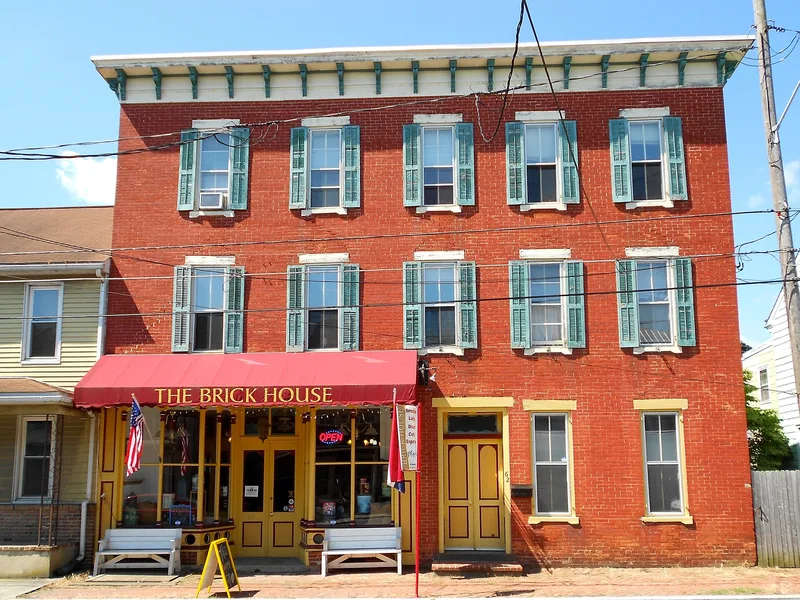
Manheim Borough is a small town in northwest Lancaster County, Pennsylvania, laid out on a grid around Market Square, with Main Street and High Street meeting at its center. Henry William Stiegel, a German immigrant ironmaster, established a glassworks there in 1765, and the town grew from a village of craftsmen into an industrial and commercial center. The district's buildings date from 1762 to 1949, with most built between 1860 and 1930. Mid-to-late nineteenth century buildings include Italianate and Eastlake houses, Second Empire residences, and combined store-and-residence buildings such as the Kready Store, built about 1865 to 1875. The Eisenlohr cigar factory, the Hershey Machine and Foundry Company, and the Noggle clothing factory show the role of manufacturing. The district is listed for its commercial, industrial and architectural significance.
Machine-generated summary. This summary was generated by a language model from the official nomination document and has not been reviewed line by line by an editor. It may contain errors. Check the source document before relying on any detail. Source: nomination document (PDF) · catalog entry. Generated October 2026 (model claude-haiku-5-5, prompt v1.1-2026-10-29).
| Period of significance | 1762-1949 |
|---|---|
| Styles | Italianate, Stick/Eastlake, Second Empire, Renaissance Revival, Bungalow, American Four-square |
| Areas of significance | Commerce, Industry, Architecture |
| Acreage | 230 |
| Boundary source | NPS cultural-resource GIS polygon |
| Full listing page | Manheim Borough Historic District (property record) |
What listing means for this property
This is a historic district. Buildings within its boundary are either contributing (they add to the district's significance) or non-contributing. Owners of contributing income-producing buildings can claim the 20% federal rehabilitation tax credit; homeowners should look at state credits. National Register districts impose no design review by themselves; a local historic district ordinance, if one exists, does (the difference explained).
General information, not legal or tax advice. Rules change; confirm with your State Historic Preservation Office or a qualified adviser.