Harrisburg Historic District

Why it's listed
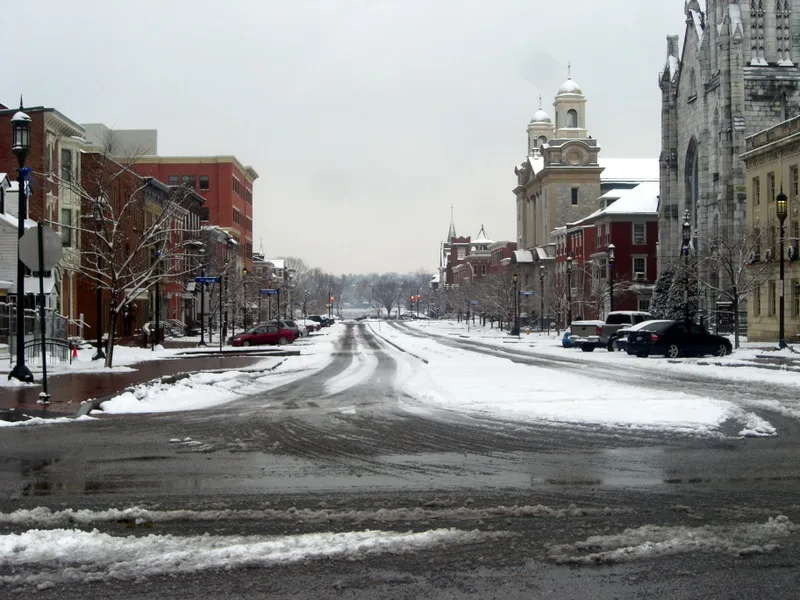
Harrisburg's historic district covers about twenty blocks of the city's oldest residential core, with roughly 500 structures, many of them brick or stone and dating from the late 18th to late 19th century. Federal-era houses stand alongside Victorian row houses, producing a streetscape of mixed architectural styles. Harris Park, a wooded area of several acres overlooking the Susquehanna River, unifies the district and contains the grave of John Harris, the original settler at the site, for whom the city is named. The district reflects Harrisburg's growth after it became the state capital in 1812, when politicians, lawyers, judges, bankers and manufacturers built homes here. The Cameron mansion, an outstanding example of later Victorian architecture, was home to Simon Cameron, a Civil War Secretary of War and U.S. Senator. The park is regarded as one of the oldest public parks in the country.
Machine-generated summary. This summary was generated by a language model from the official nomination document and has not been reviewed line by line by an editor. It may contain errors. Check the source document before relying on any detail. Source: nomination document (PDF) · catalog entry. Generated October 2026 (model claude-haiku-5-5, prompt v1.1-2026-10-29).
| Period of significance | c.1760-1900 |
|---|---|
| Styles | Georgian, Federal and Victorian styles |
| Areas of significance | Community Planning and Development, Politics/Government, Architecture |
| Acreage | 192 |
| Boundary source | NPS cultural-resource GIS polygon |
| Full listing page | Harrisburg Historic District (property record) |
What listing means for this property
This is a historic district. Buildings within its boundary are either contributing (they add to the district's significance) or non-contributing. Owners of contributing income-producing buildings can claim the 20% federal rehabilitation tax credit; homeowners should look at state credits. National Register districts impose no design review by themselves; a local historic district ordinance, if one exists, does (the difference explained).
General information, not legal or tax advice. Rules change; confirm with your State Historic Preservation Office or a qualified adviser.