Western Reserve Academy

Why it's listed
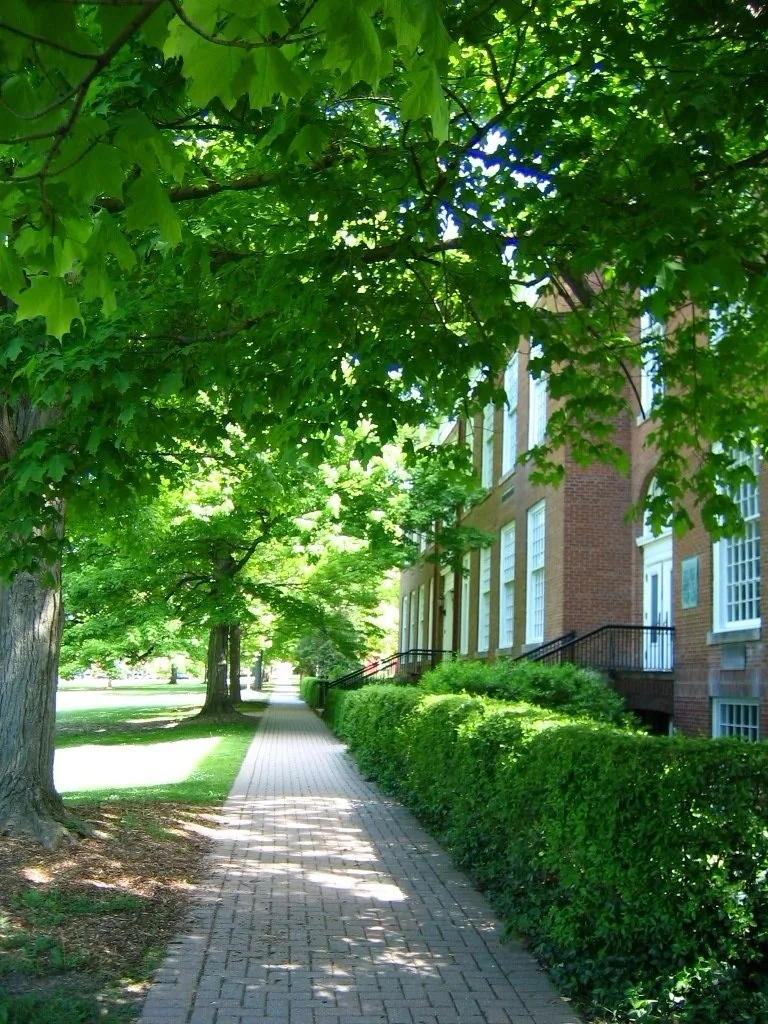
Western Reserve Academy occupies the Hudson, Ohio, campus first laid out for Western Reserve College, planned in the early 1820s and founded in 1826. The district includes the Chapel of 1835-36, built by Simeon and Orrin Porter and described in the form as the most important work of architecture in a town rich in good buildings. Other early structures include the President's House, North College, the Observatory and the Athenaeum, with professors' houses and the 1806 David Hudson House nearby. The college moved to Cleveland in 1882, while the academy stayed in Hudson, closed from 1903 to 1916, and then reopened with James Ellsworth's financial backing. Ellsworth required new buildings to follow colonial architecture so they would harmonize with existing ones. The district was listed for its architecture, its role in education, and its campus planning, and for its lasting influence on the village of Hudson.
Machine-generated summary. This summary was generated by a language model from the official nomination document and has not been reviewed line by line by an editor. It may contain errors. Check the source document before relying on any detail. Source: nomination document (PDF) · catalog entry. Generated October 2026 (model claude-sonnet-5-5, prompt v1.0-2026-10-29).
| Styles | Federal and Greek Revival, with Classic Revival and colonial-style later additions |
|---|---|
| Areas of significance | Community Planning and Development, Education, Architecture |
| Acreage | 58 |
| Boundary source | NPS cultural-resource GIS polygon |
| Full listing page | Western Reserve Academy (property record) |
What listing means for this property
This is a historic district. Buildings within its boundary are either contributing (they add to the district's significance) or non-contributing. Owners of contributing income-producing buildings can claim the 20% federal rehabilitation tax credit; homeowners should look at state credits. National Register districts impose no design review by themselves; a local historic district ordinance, if one exists, does (the difference explained).
General information, not legal or tax advice. Rules change; confirm with your State Historic Preservation Office or a qualified adviser.