West Raleigh Historic District

Why it's listed
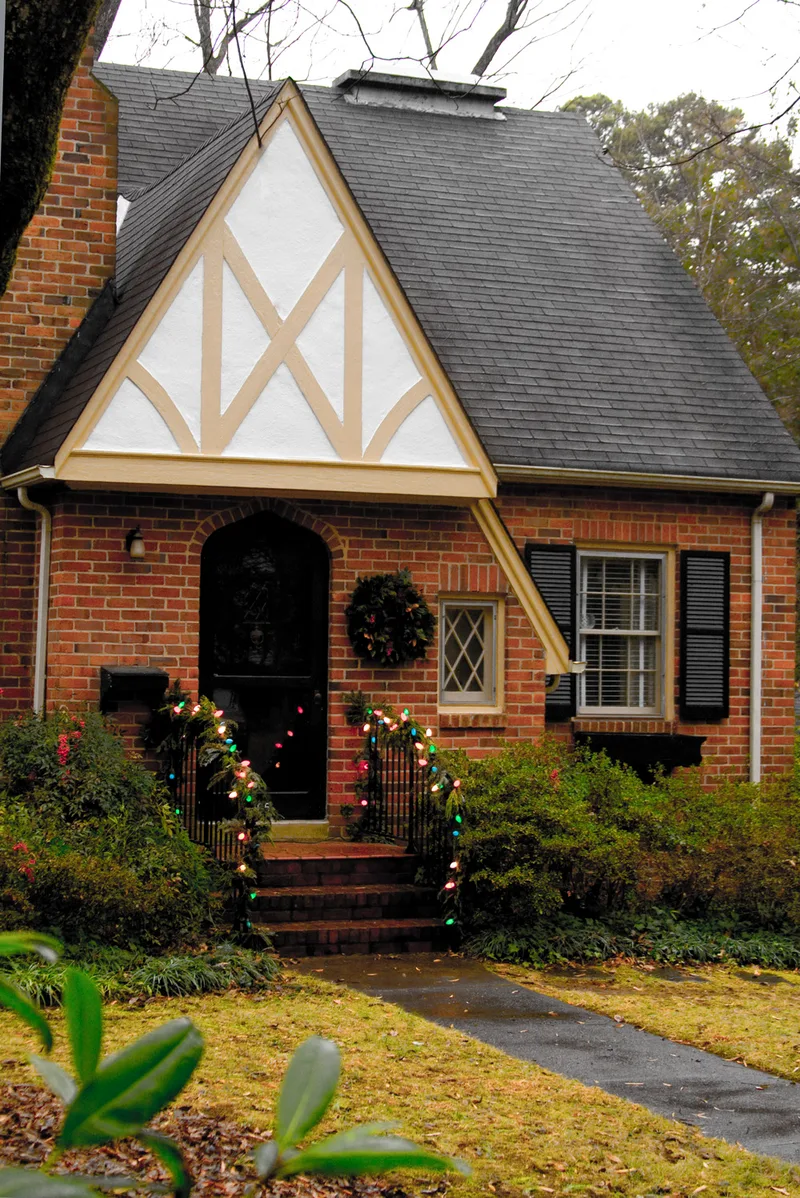
West Raleigh Historic District covers roughly 332 acres west-northwest of downtown Raleigh and the state capitol. It brings together several neighborhoods platted between about 1915 and 1938, including Bedford Heights, Bagwell, Wilmont, Fairmont and Forest Hills. Most of the 1,157 contributing buildings are houses, and most are one story. About two-thirds of the principal buildings date from the 1930s to 1956, with Minimal Traditional houses among the most common types. Bungalows, Colonial Revival homes, Period Cottages, Ranch houses and brick apartment buildings built for students and faculty at North Carolina State University also appear. Commercial and light industrial buildings, including Moderne examples and a post office, line Hillsborough Street. Small parks and a rose garden at the Raleigh Little Theatre reflect City Beautiful planning and the horticultural interests of university residents. Two individually listed properties stand within the boundaries: an 1886 agricultural experiment station cottage and a 1966 Modernist office building. Resources built after 1956 are mostly noncontributing.
Machine-generated summary. This summary was generated by a language model from the official nomination document and has not been reviewed line by line by an editor. It may contain errors. Check the source document before relying on any detail. Source: nomination document (PDF) · catalog entry. Generated October 2026 (model claude-sonnet-5-5, prompt v1.0-2026-10-29).
| Styles | Minimal Traditional, Bungalow/Craftsman, Ranch, Colonial Revival, Period Cottage, Queen Anne, Cape Cod, Commercial Style, Moderne, Modernist |
|---|---|
| Areas of significance | Architecture, Community Planning and Development |
| Acreage | 332 |
| Boundary source | NPS cultural-resource GIS polygon |
| Full listing page | West Raleigh Historic District (property record) |
What listing means for this property
This is a historic district. Buildings within its boundary are either contributing (they add to the district's significance) or non-contributing. Owners of contributing income-producing buildings can claim the 20% federal rehabilitation tax credit; homeowners should look at state credits. National Register districts impose no design review by themselves; a local historic district ordinance, if one exists, does (the difference explained).
General information, not legal or tax advice. Rules change; confirm with your State Historic Preservation Office or a qualified adviser.