Thorndale

Why it's listed
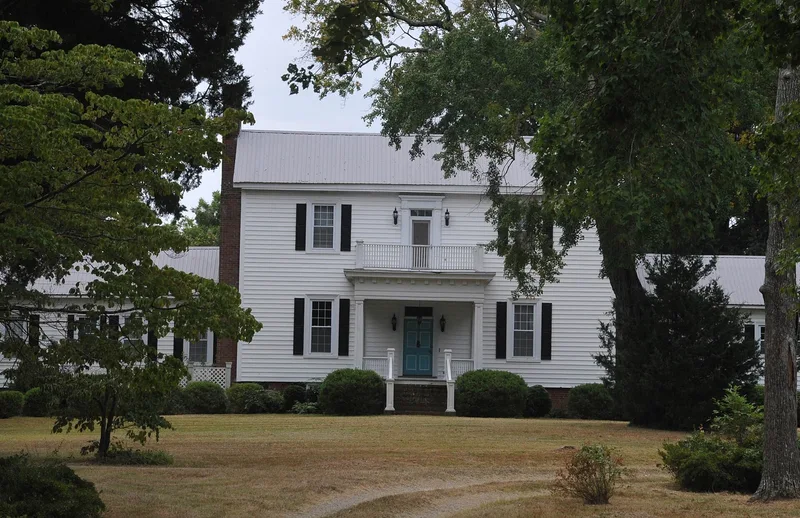
Thorndale is a two-story frame house at the head of a cedar and oak lined lane in Oxford, North Carolina, surrounded by horse pastures. Horace L. Robards, a planter who received 206 acres from his father in 1837, likely built the original block that year. A chimney brick bearing that date supports the attribution. The house has a brick raised basement laid in Flemish bond, beaded weatherboards, and delicate three-part window surrounds. Inside, all six original rooms and the hallway share the same ornate transitional Georgian/Federal finish, including six-panel doors, Federal mantels, wainscoting and a graceful stair. Rooms were added over the rear in the late nineteenth or early twentieth century. The property is recognized for its agricultural history as a plantation seat and for its architecture. Later owners included the Lassiter family for three generations. The nominated area covers about thirteen acres, including the house, pasture land, a servants' house and a horse stable. The period of significance ends in 1865.
Machine-generated summary. This summary was generated by a language model from the official nomination document and has not been reviewed line by line by an editor. It may contain errors. Check the source document before relying on any detail. Source: nomination document (PDF) · catalog entry. Generated October 2026 (model claude-sonnet-5-5, prompt v1.0-2026-10-29).
| Period of significance | circa 1837-1865 |
|---|---|
| Styles | Federal; transitional Georgian/Federal |
| Areas of significance | Agriculture, Architecture |
| Acreage | 13 |
| Boundary source | NPS cultural-resource GIS polygon |
| Full listing page | Thorndale (property record) |
What listing means for this property
This is a historic district. Buildings within its boundary are either contributing (they add to the district's significance) or non-contributing. Owners of contributing income-producing buildings can claim the 20% federal rehabilitation tax credit; homeowners should look at state credits. National Register districts impose no design review by themselves; a local historic district ordinance, if one exists, does (the difference explained).
General information, not legal or tax advice. Rules change; confirm with your State Historic Preservation Office or a qualified adviser.