Murfreesboro Historic District

Why it's listed
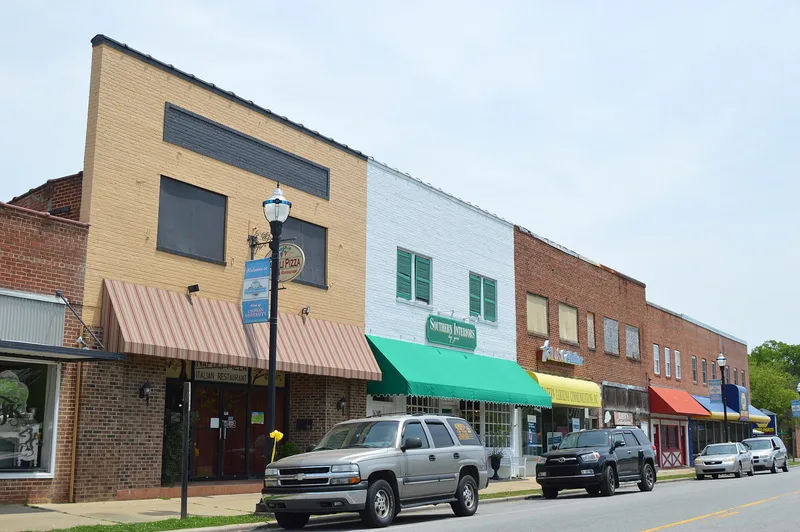
Murfreesboro Historic District covers the central part of a small river town in northeastern North Carolina, set on a hill above the Meherrin River. William Murfree acquired the land in 1747, the landing was designated a King's Landing in 1755, and the town was created in 1787. It served briefly as a transatlantic port before declining, then regained prominence through plantation agriculture after the War of 1812. More than forty buildings from before the Civil War survive, clustered on Main, Broad and nearby streets. Examples include the brick William Rea Store of about 1790, one of the oldest commercial buildings in the state, the John Wheeler House, Melrose, the Hertford Academy, and the frame Rose Bower and Isaac Pipkin House with Greek Revival features. The Hertford Academy later housed the school that became Chowan College. The district was recognized for its concentration of early buildings and its connection to prominent figures of the period.
Machine-generated summary. This summary was generated by a language model from the official nomination document and has not been reviewed line by line by an editor. It may contain errors. Check the source document before relying on any detail. Source: nomination document (PDF) · catalog entry. Generated October 2026 (model claude-sonnet-5-5, prompt v1.0-2026-10-29).
| Styles | Federal and Greek Revival buildings, mostly brick and frame |
|---|---|
| Areas of significance | Commerce, Politics/Government, Architecture |
| Acreage | 100 |
| Boundary source | NPS cultural-resource GIS polygon |
| Full listing page | Murfreesboro Historic District (property record) |
What listing means for this property
This is a historic district. Buildings within its boundary are either contributing (they add to the district's significance) or non-contributing. Owners of contributing income-producing buildings can claim the 20% federal rehabilitation tax credit; homeowners should look at state credits. National Register districts impose no design review by themselves; a local historic district ordinance, if one exists, does (the difference explained).
General information, not legal or tax advice. Rules change; confirm with your State Historic Preservation Office or a qualified adviser.