Fisher Park Historic District

Why it's listed
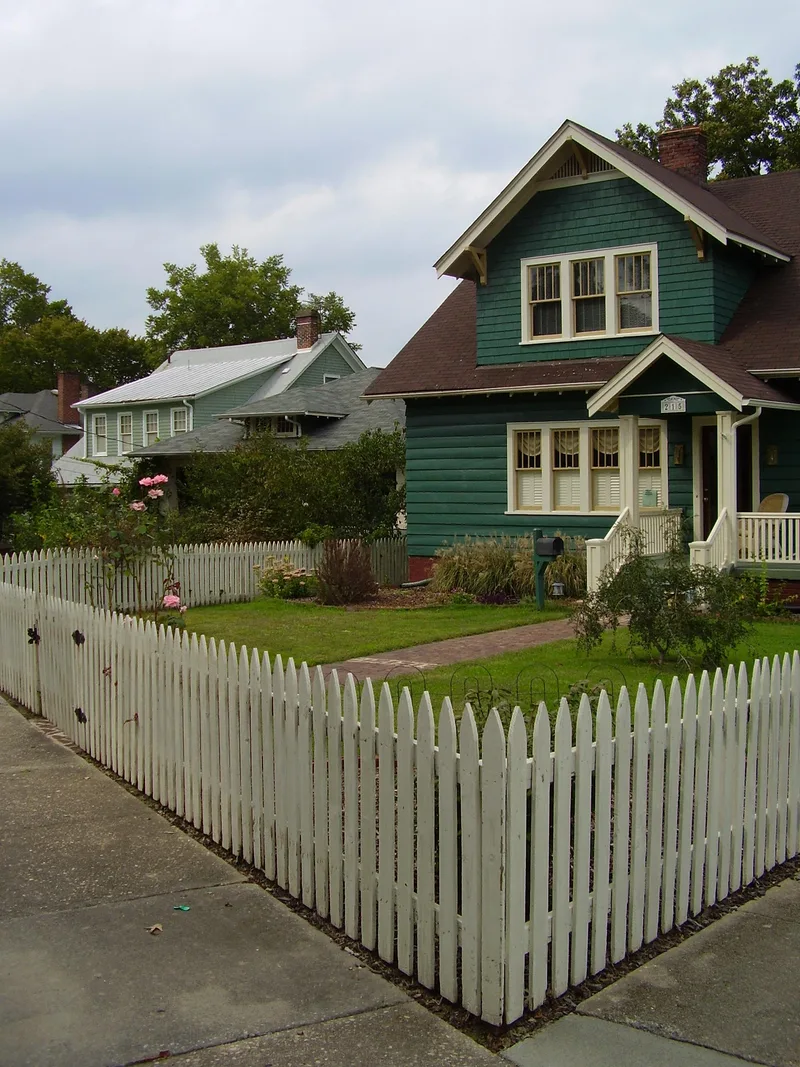
Fisher Park is a residential district of about 670 resources just north of downtown Greensboro, built around a shaded park that was given to the city in 1902 by its developer, Capt. Basil J. Fisher. Development was shaped by the trolley, by the steel and textile enterprises nearby, and by real estate speculation. Growth was slow until the first decade of the twentieth century and then accelerated, with most houses built between 1910 and 1930. The largest and finest houses stand on spacious lots overlooking the park, including the stone Prairie style Latham-Baker House of 1913, designed by Wells L. Brewer. Most other houses are bungalows, foursquares and Colonial Revival dwellings for middle-class families. Three religious buildings were designed by prominent Greensboro architects, including Hobart Upjohn and Charles C. Hartmann. The district is significant for its planning and for its architecture, which represents the city's suburban growth from 1889 to 1941.
Machine-generated summary. This summary was generated by a language model from the official nomination document and has not been reviewed line by line by an editor. It may contain errors. Check the source document before relying on any detail. Source: nomination document (PDF) · catalog entry. Generated October 2026 (model claude-haiku-5-5, prompt v1.1-2026-10-29).
| Period of significance | 1889-1941 |
|---|---|
| Styles | Bungalow/Craftsman; Colonial Revival; Tudor Revival; Mediterranean Revival; Queen Anne; Prairie; Georgian Revival; Foursquare |
| Areas of significance | Community Planning and Development, Architecture |
| Acreage | 142 |
| Boundary source | NPS cultural-resource GIS polygon |
| Full listing page | Fisher Park Historic District (property record) |
What listing means for this property
This is a historic district. Buildings within its boundary are either contributing (they add to the district's significance) or non-contributing. Owners of contributing income-producing buildings can claim the 20% federal rehabilitation tax credit; homeowners should look at state credits. National Register districts impose no design review by themselves; a local historic district ordinance, if one exists, does (the difference explained).
General information, not legal or tax advice. Rules change; confirm with your State Historic Preservation Office or a qualified adviser.