Hamlet of Warrensburgh Historic District

Why it's listed
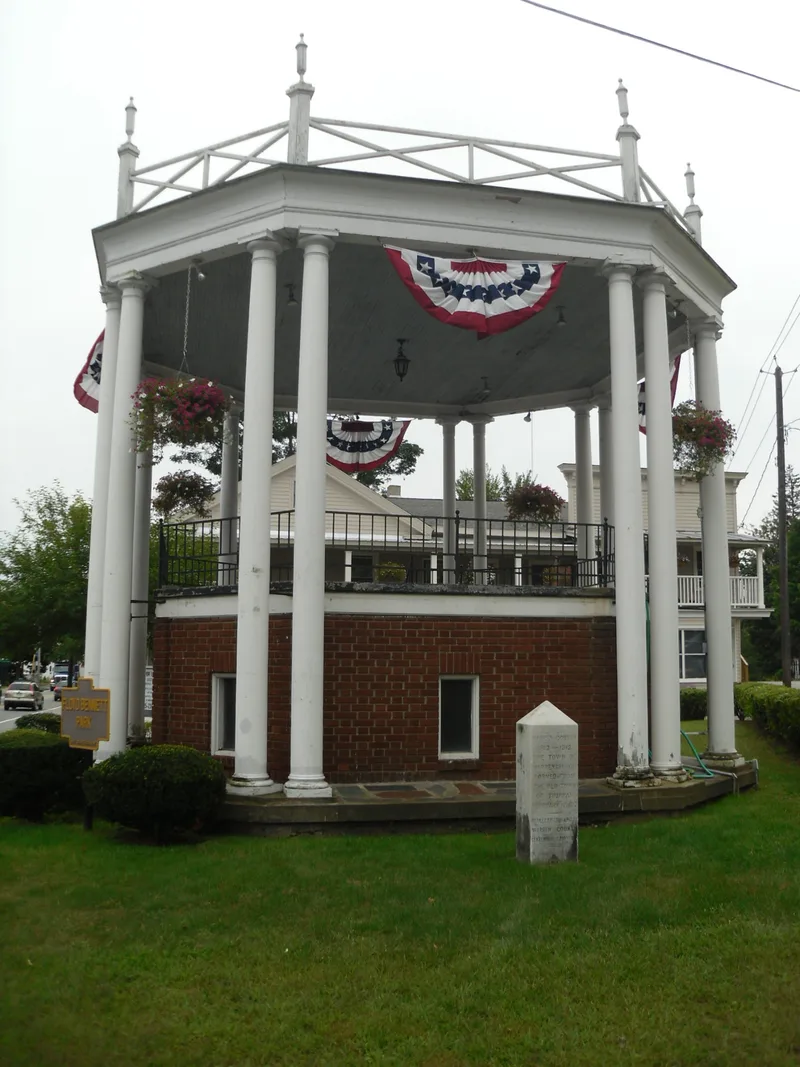
Warrensburgh's historic core spreads across both banks of the Schroon River in Warren County, New York. The district includes 428 buildings and structures, most of them homes, along with stores, mills, churches, cemeteries and Camp Echo Lake. The river marks a clear divide. North of it, Main, Hudson and Elm streets hold the commercial blocks and the larger, more stylish houses, including Greek Revival, Italianate, Queen Anne and Bungalow examples, with a stone Woodward Block and a 1927 neoclassical bank among the commercial landmarks. South of the river, River Street was the industrial center, with a gristmill dating from 1824, shirt factories, a feed building and a coal pocket, alongside modest wood-frame workers' houses. A small group of buildings on Main Street lies apart because of a steep hillside. The area was recognized because it preserves, in largely intact form, the way industry, commerce, religion, education and recreation shaped this hamlet through the nineteenth and early twentieth centuries.
Machine-generated summary. This summary was generated by a language model from the official nomination document and has not been reviewed line by line by an editor. It may contain errors. Check the source document before relying on any detail. Source: nomination document (PDF) · catalog entry. Generated October 2026 (model claude-sonnet-5-5, prompt v1.0-2026-10-29).
| Styles | Greek Revival, Queen Anne, Bungalow/Craftsman, and mid-19th to 20th century vernacular |
|---|---|
| Areas of significance | Community Planning and Development, Industry, Entertainment/Recreation, Commerce, Architecture, Education, Social History |
| Acreage | 275.5 |
| Boundary source | NPS cultural-resource GIS polygon |
| Full listing page | Hamlet of Warrensburgh Historic District (property record) |
What listing means for this property
This is a historic district. Buildings within its boundary are either contributing (they add to the district's significance) or non-contributing. Owners of contributing income-producing buildings can claim the 20% federal rehabilitation tax credit; homeowners should look at state credits. National Register districts impose no design review by themselves; a local historic district ordinance, if one exists, does (the difference explained).
General information, not legal or tax advice. Rules change; confirm with your State Historic Preservation Office or a qualified adviser.