Crooked Lake Outlet Historic District

Why it's listed
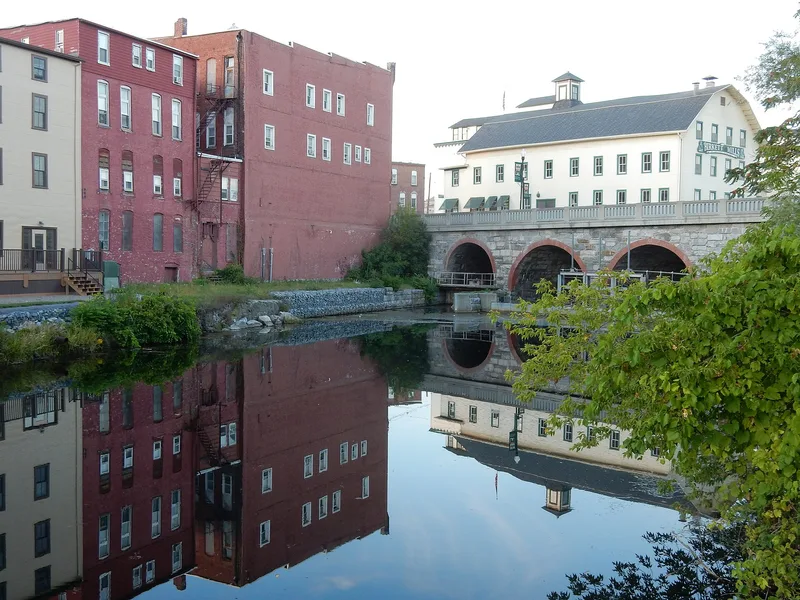
Along a seven-mile gorge between Penn Yan and Dresden, the Keuka Lake Outlet drops from Keuka Lake toward Seneca Lake, and for nearly two centuries its water drove industry. The historic district follows this corridor and includes mill sites, mill ponds, races, dams, canal locks, the canal prism, bridges, a railroad turntable, whistle stops and mile markers. At its busiest, as many as forty mills used the Outlet, producing flour, lumber, textiles, spokes and paper. The Crooked Lake Canal, begun in 1831, was meant to carry goods but never made money and closed in 1878. The Fall Brook Railroad, begun in 1884 on the old towpath, ran until it was abandoned in 1974. The Main Street Bridge, a multiple-arch stone bridge of 1884, marks the western edge. Birkett's Mill still grinds buckwheat flour. Because much of the gorge is undeveloped, the district preserves extensive archaeological remains, and the old towpath and rail bed now serve as a public trail.
Machine-generated summary. This summary was generated by a language model from the official nomination document and has not been reviewed line by line by an editor. It may contain errors. Check the source document before relying on any detail. Source: nomination document (PDF) · catalog entry. Generated October 2026 (model claude-sonnet-5-5, prompt v1.0-2026-10-29).
| Areas of significance | Transportation, Architecture, Industry, Engineering, Historic - Aboriginal |
|---|---|
| Acreage | 300 |
| Boundary source | NPS cultural-resource GIS polygon |
| Full listing page | Crooked Lake Outlet Historic District (property record) |
What listing means for this property
This is a historic district. Buildings within its boundary are either contributing (they add to the district's significance) or non-contributing. Owners of contributing income-producing buildings can claim the 20% federal rehabilitation tax credit; homeowners should look at state credits. National Register districts impose no design review by themselves; a local historic district ordinance, if one exists, does (the difference explained).
General information, not legal or tax advice. Rules change; confirm with your State Historic Preservation Office or a qualified adviser.