Santuit Historic District

Why it's listed
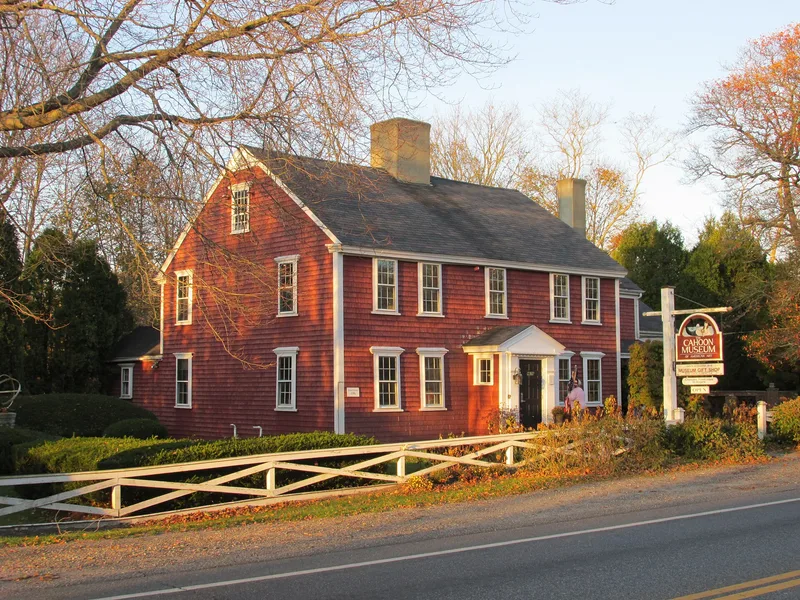
Santuit is a small group of houses and outbuildings along Falmouth Road (Route 28) in Cotuit, Barnstable, set at a crossroads leading toward Sandwich and Mashpee/Falmouth. Most of the buildings belonged to the Crocker family. The oldest, the Ebenezer Crocker Homestead, is said to have been moved here by oxen around 1739. The district also includes Georgian houses from about 1769 and 1782, Federal houses from about 1796, and an Italianate house from about 1860. Santuit was the inland center of a mainly agricultural community and held a community focus while land travel and land-based resources were at their height. Over time maritime activity shifted the village's attention to the coast at Cotuit Port and Cotuit Highland. Some of the houses served as a tavern, Cotuit's first library and a post office. Six buildings contribute to the district and three newer ones do not. Its well preserved houses reflect the area's early prosperity.
Machine-generated summary. This summary was generated by a language model from the official nomination document and has not been reviewed line by line by an editor. It may contain errors. Check the source document before relying on any detail. Source: nomination document (PDF) · catalog entry. Generated October 2026 (model claude-sonnet-5-5, prompt v1.0-2026-10-29).
| Period of significance | 1739-1860 |
|---|---|
| Styles | Georgian, Federal, Italianate |
| Areas of significance | Commerce, Exploration/Settlement, Architecture |
| Acreage | 10.5 |
| Boundary source | NPS cultural-resource GIS polygon |
| Full listing page | Santuit Historic District (property record) |
What listing means for this property
This is a historic district. Buildings within its boundary are either contributing (they add to the district's significance) or non-contributing. Owners of contributing income-producing buildings can claim the 20% federal rehabilitation tax credit; homeowners should look at state credits. National Register districts impose no design review by themselves; a local historic district ordinance, if one exists, does (the difference explained).
General information, not legal or tax advice. Rules change; confirm with your State Historic Preservation Office or a qualified adviser.