East Freetown Historic District

Why it's listed
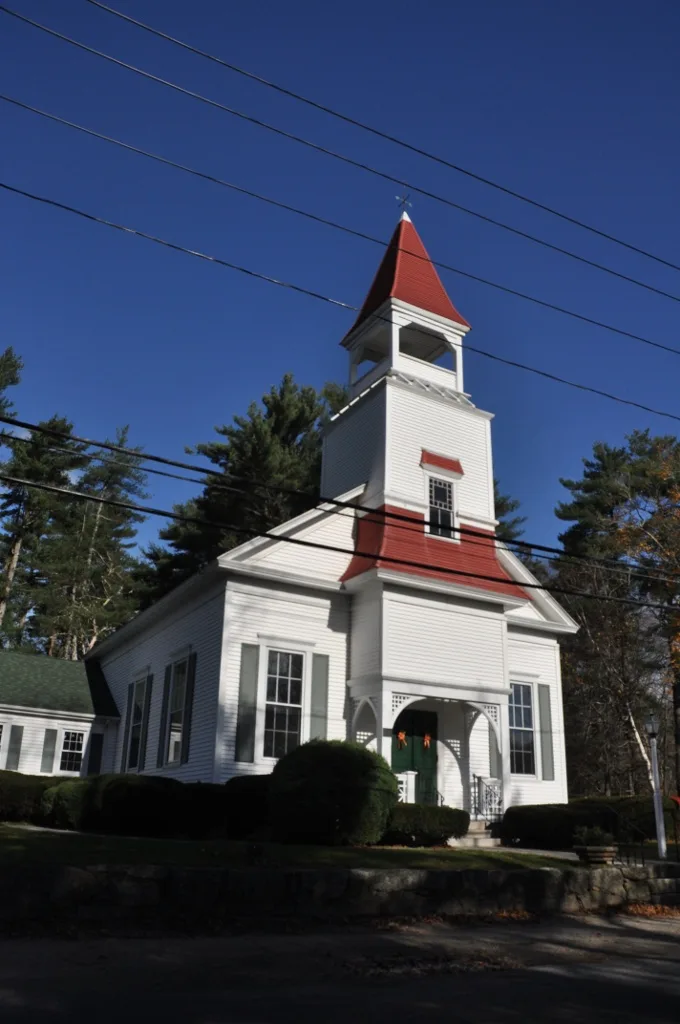
East Freetown is a small industrial village in the eastern part of Freetown, Massachusetts, arranged around Fall Brook and its mill pond. Settlement began in 1727 when Philip Rounsevell established his homestead, and the district's resources date from that year through 1949. Most houses are modest 1 1/2 story Cape Cod cottages on granite foundations, with later Greek Revival, Gothic Revival, Italianate and Queen Anne examples. A tavern altered in the Queen Anne style, a Congregational church built in 1888, a memorial library opened in 1947 and a working saw mill add to the village. Water-powered industry shaped the place, and remains include dams, mill foundations, the half-dome granite remnant of an iron furnace and arched granite bridges. A small granite Mile Square Marker from about 1727 is the oldest object. Together, the 104 resources show how a rural mill community developed, with space around each building and winding roads.
Machine-generated summary. This summary was generated by a language model from the official nomination document and has not been reviewed line by line by an editor. It may contain errors. Check the source document before relying on any detail. Source: nomination document (PDF) · catalog entry. Generated October 2026 (model claude-sonnet-5-5, prompt v1.0-2026-10-29).
| Period of significance | 1727-1949 |
|---|---|
| Styles | Colonial, Georgian, Late Victorian, Queen Anne, Other: Cape Cod |
| Areas of significance | Architecture, Community Planning and Development, Industry |
| Acreage | 94 |
| Boundary source | NPS cultural-resource GIS polygon |
| Full listing page | East Freetown Historic District (property record) |
What listing means for this property
This is a historic district. Buildings within its boundary are either contributing (they add to the district's significance) or non-contributing. Owners of contributing income-producing buildings can claim the 20% federal rehabilitation tax credit; homeowners should look at state credits. National Register districts impose no design review by themselves; a local historic district ordinance, if one exists, does (the difference explained).
General information, not legal or tax advice. Rules change; confirm with your State Historic Preservation Office or a qualified adviser.