Corky Row Historic District

Why it's listed
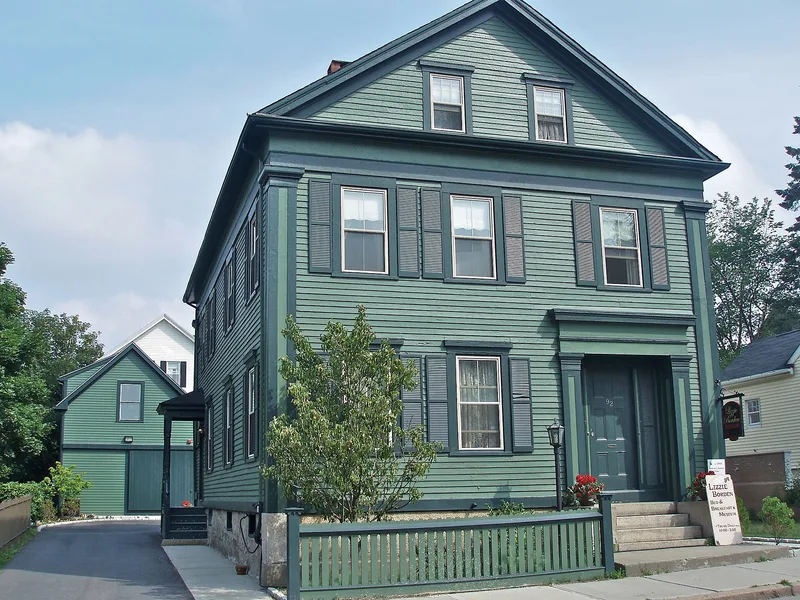
Corky Row is a 96-acre working-class neighborhood just south of downtown Fall River, Massachusetts, bordered roughly by Plymouth Avenue, Second Street, Lyon Street, Hartwell Street and Route 195. Its 435 residential structures are mostly three-story frame tenements of four to six units, many with mansard or gable roofs, bracketed cornices and paired two-story bays. The earliest have Greek Revival door frames. Houses were packed tightly together near the mills and downtown, creating courts and alleys. A cluster of high-style single-family homes along lower Second Street dates to the period before 1874, when mill owners lived near their work. The name comes from the Irish immigrants who dominated the area after 1845 and worked in nearby mills such as Tecumseh, Robeson and Davol. They helped start Fall River's labor movement, and James Tansey, later first president of the United Textile Workers of America, emerged from here. The district shows how mill-workers' housing developed from the Civil War era to World War I.
Machine-generated summary. This summary was generated by a language model from the official nomination document and has not been reviewed line by line by an editor. It may contain errors. Check the source document before relying on any detail. Source: nomination document (PDF) · catalog entry. Generated October 2026 (model claude-sonnet-5-5, prompt v1.0-2026-10-29).
| Period of significance | 1800-1910 |
|---|---|
| Styles | Greek Revival, Italianate, Second Empire and other Victorian styles; mostly 4-6 unit frame tenement houses and triple deckers |
| Areas of significance | European, Religion |
| Acreage | 96.2 |
| Boundary source | NPS cultural-resource GIS polygon |
| Full listing page | Corky Row Historic District (property record) |
What listing means for this property
This is a historic district. Buildings within its boundary are either contributing (they add to the district's significance) or non-contributing. Owners of contributing income-producing buildings can claim the 20% federal rehabilitation tax credit; homeowners should look at state credits. National Register districts impose no design review by themselves; a local historic district ordinance, if one exists, does (the difference explained).
General information, not legal or tax advice. Rules change; confirm with your State Historic Preservation Office or a qualified adviser.