Glenwood Historic District

Why it's listed
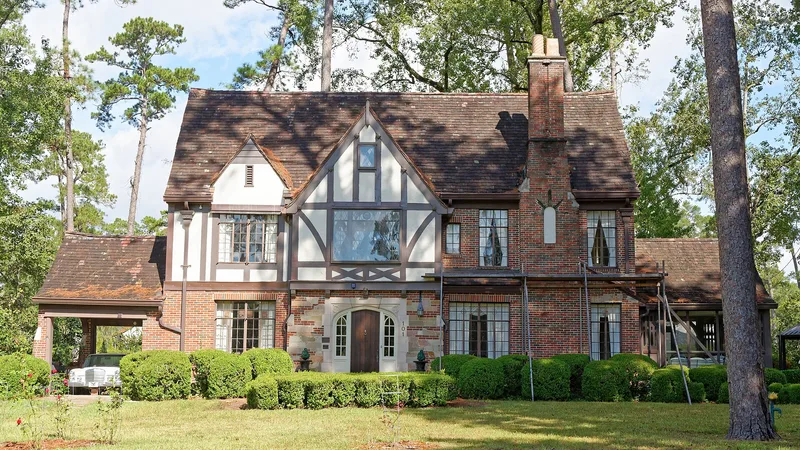
Glenwood is a residential neighborhood of roughly 85 acres in Thomasville, Georgia, about a mile northeast of the county courthouse. Developer J. B. Jemison platted it in 1925 as a garden suburb for automobile owners, with winding drives, oval-shaped blocks and triangular medians planted with roses. The Great Depression slowed building, and most houses date from the mid-1930s to the early 1960s, after B. L. Brewton & Son and the Brewton-Tittle Realty Company bought the remaining lots in 1936. The district holds about 130 single-family lots with Colonial Revival, Tudor Revival and Mediterranean or Spanish Revival houses, along with American Small Houses and Ranch houses. Architects such as Ralph S. Fetner and Prince Edward Jinright designed some of them. Mature pines, magnolias, oaks, azaleas and camellias survive, and the area has no commercial intrusion. It was listed for its cohesive landscape and its range of period house types. One house, built by Joe M. Beutell, was already listed individually in 1991.
Machine-generated summary. This summary was generated by a language model from the official nomination document and has not been reviewed line by line by an editor. It may contain errors. Check the source document before relying on any detail. Source: nomination document (PDF) · catalog entry. Generated October 2026 (model claude-sonnet-5-5, prompt v1.0-2026-10-29).
| Styles | Colonial Revival, Tudor Revival, Mission/Spanish Colonial Revival, American Small House, Ranch |
|---|---|
| Areas of significance | Architecture, Community Planning and Development |
| Acreage | 85 |
| Boundary source | NPS cultural-resource GIS polygon |
| Full listing page | Glenwood Historic District (property record) |
What listing means for this property
This is a historic district. Buildings within its boundary are either contributing (they add to the district's significance) or non-contributing. Owners of contributing income-producing buildings can claim the 20% federal rehabilitation tax credit; homeowners should look at state credits. National Register districts impose no design review by themselves; a local historic district ordinance, if one exists, does (the difference explained).
General information, not legal or tax advice. Rules change; confirm with your State Historic Preservation Office or a qualified adviser.