Shorty Lovelace Historic District

Why it's listed
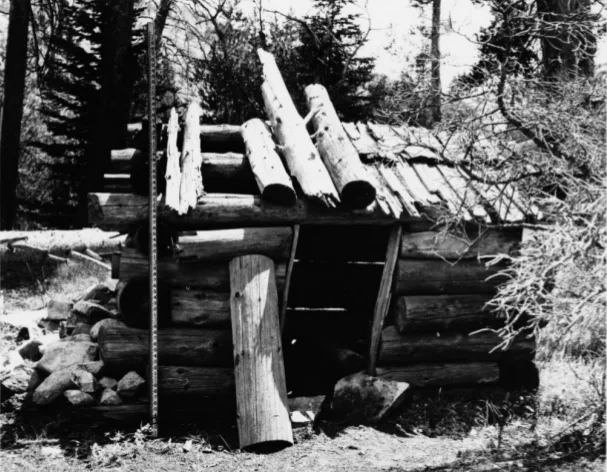
Between 1910 and 1940, fur trapper Joseph Walter "Shorty" Lovelace built a network of small cabins and boulder shelters across the South Fork of the Kings River watershed, in what is now Kings Canyon National Park. He may have built as many as thirty-six; nine sites have been located. Most are one-room log huts with dirt floors and shake roofs, seldom larger than 5 by 7 feet. Two larger cabins at Crowley Canyon, built about 1912, are now ruins. Only the cabins at Cloud Canyon and Vidette Meadow remain sound enough to preserve, while the others are decaying or collapsed. The district was recognized as a rare record of an alpine fur trapping circuit. Lovelace was the only person to live year-round in the upper Kings Canyon region, and he was among the last full-time trappers of the western fur trade. Because the park has been managed largely as wilderness, the sites keep natural settings.
Machine-generated summary. This summary was generated by a language model from the official nomination document and has not been reviewed line by line by an editor. It may contain errors. Check the source document before relying on any detail. Source: nomination document (PDF) · catalog entry. Generated October 2026 (model claude-sonnet-5-5, prompt v1.0-2026-10-29).
| Period of significance | 1910-1940 |
|---|---|
| Styles | Pioneer vernacular log construction |
| Areas of significance | Industry, Exploration/Settlement, Architecture |
| Acreage | 2.5 |
| Boundary source | NPS cultural-resource GIS polygon |
| Full listing page | Shorty Lovelace Historic District (property record) |
What listing means for this property
This is a historic district. Buildings within its boundary are either contributing (they add to the district's significance) or non-contributing. Owners of contributing income-producing buildings can claim the 20% federal rehabilitation tax credit; homeowners should look at state credits. National Register districts impose no design review by themselves; a local historic district ordinance, if one exists, does (the difference explained).
General information, not legal or tax advice. Rules change; confirm with your State Historic Preservation Office or a qualified adviser.