Old Auburn Historic District

Why it's listed
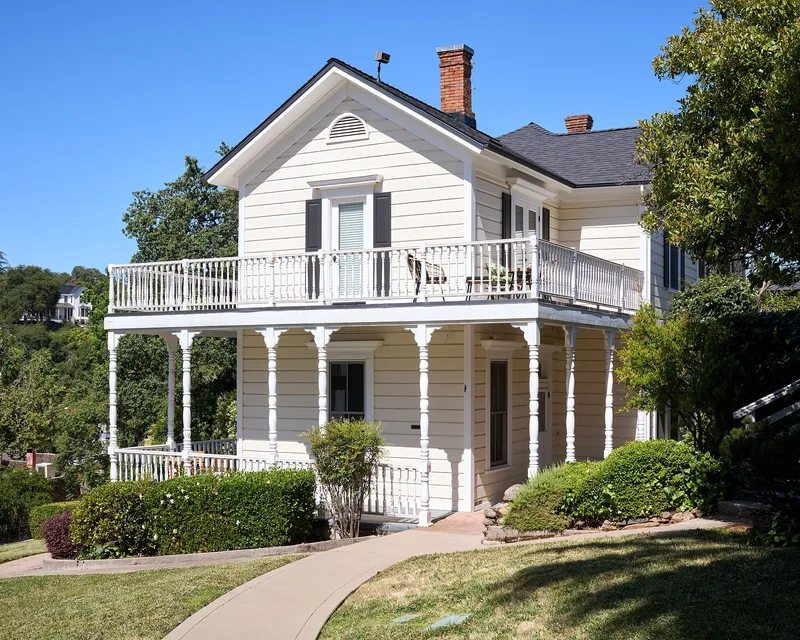
Old Auburn is a 22-acre historic district in Auburn, California, taking in the Gold Rush business district, a remnant of the Chinese quarter and a few outlying properties. Most commercial buildings look much as they did in the late 1800s or when rebuilt after the 1855 fire, though paving and utility lines have changed the streetscape. Notable buildings include the 1897 Placer County Courthouse, designed by John M. Curtis; Lawyers Row, built in 1855 of sun-dried brick; Commercial Street storefronts from about 1857; a wooden Chinese Joss House with idols still inside; the post office, described as the oldest in California still in its original building; and the Travellers' Rest and Winery. Auburn began as a mining camp in 1849, became county seat in 1851 and later led the nation in plum production. The district was recognized for its role in Gold Rush commerce, government and architecture.
Machine-generated summary. This summary was generated by a language model from the official nomination document and has not been reviewed line by line by an editor. It may contain errors. Check the source document before relying on any detail. Source: nomination document (PDF) · catalog entry. Generated October 2026 (model claude-sonnet-5-5, prompt v1.0-2026-10-29).
| Period of significance | 19th Century |
|---|---|
| Areas of significance | Commerce, Architecture |
| Acreage | 22 |
| Boundary source | NPS cultural-resource GIS polygon |
| Full listing page | Old Auburn Historic District (property record) |
What listing means for this property
This is a historic district. Buildings within its boundary are either contributing (they add to the district's significance) or non-contributing. Owners of contributing income-producing buildings can claim the 20% federal rehabilitation tax credit; homeowners should look at state credits. National Register districts impose no design review by themselves; a local historic district ordinance, if one exists, does (the difference explained).
General information, not legal or tax advice. Rules change; confirm with your State Historic Preservation Office or a qualified adviser.