Cabrillo National Monument

Why it's listed
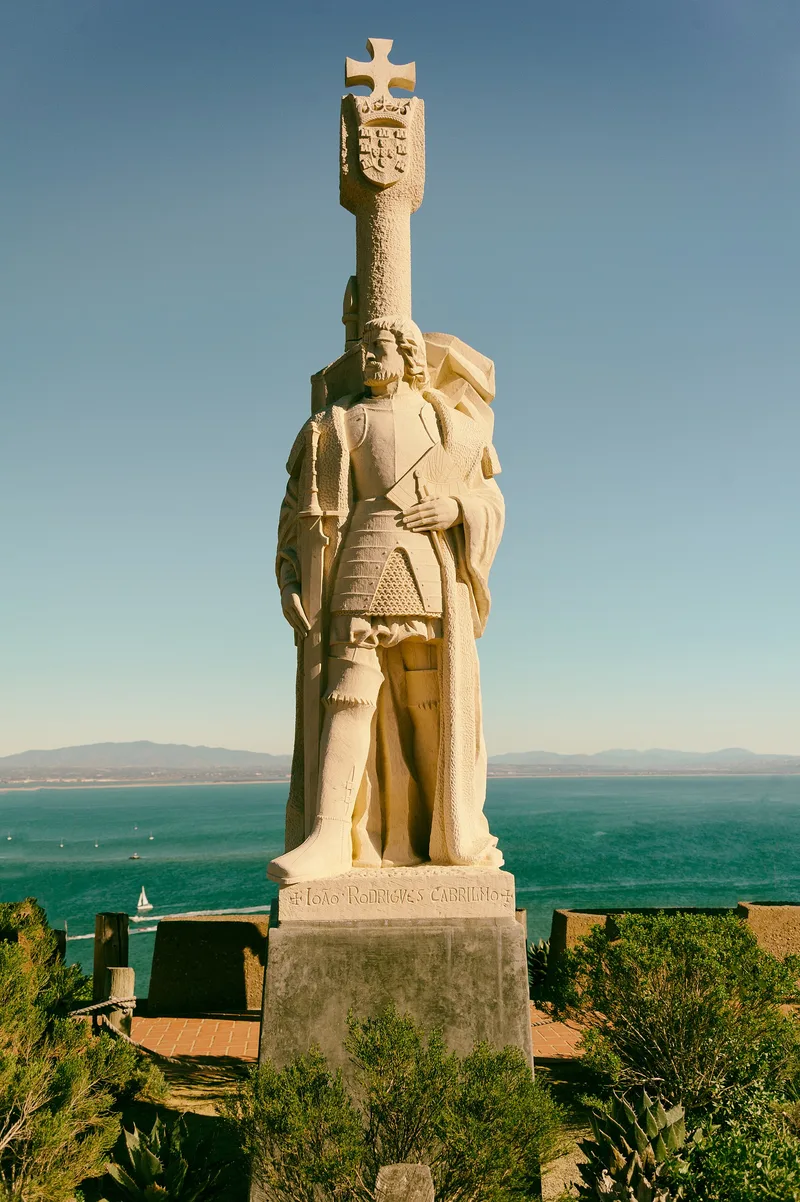
Cabrillo National Monument covers about 144 acres near the south end of Point Loma in San Diego, rising to 422 feet at the peninsula's highest point. It was first designated to commemorate Juan Rodriguez Cabrillo's voyage and his discovery of San Diego Bay. The land was formerly part of Fort Rosecrans, headquarters of the harbor defenses of San Diego, and most of its historic resources reflect that military role. These include a 1918 radio station, concrete fire control stations used to aim coastal guns, searchlight shelters and a generator plant built in 1918-1919, the World War II Battery Bluff and Battery Point Loma, and the Bayside Trail, originally an Army road. The Old Point Loma Lighthouse, built of sandstone in 1854 and first lit in 1855, predates the military presence but was also used during both world wars. The district has 26 contributing and 8 noncontributing resources. Some structures have been sealed because of vandalism.
Machine-generated summary. This summary was generated by a language model from the official nomination document and has not been reviewed line by line by an editor. It may contain errors. Check the source document before relying on any detail. Source: nomination document (PDF) · catalog entry. Generated October 2026 (model claude-sonnet-5-5, prompt v1.0-2026-10-29).
| Styles | Other: Military; Late 19th and 20th Century Revivals |
|---|---|
| Areas of significance | Exploration/Settlement, Conservation, Architecture |
| Acreage | 143.9 |
| Boundary source | NPS cultural-resource GIS polygon |
| Full listing page | Cabrillo National Monument (property record) |
What listing means for this property
This is a historic district. Buildings within its boundary are either contributing (they add to the district's significance) or non-contributing. Owners of contributing income-producing buildings can claim the 20% federal rehabilitation tax credit; homeowners should look at state credits. National Register districts impose no design review by themselves; a local historic district ordinance, if one exists, does (the difference explained).
General information, not legal or tax advice. Rules change; confirm with your State Historic Preservation Office or a qualified adviser.