Reedville Historic District

Why it's listed
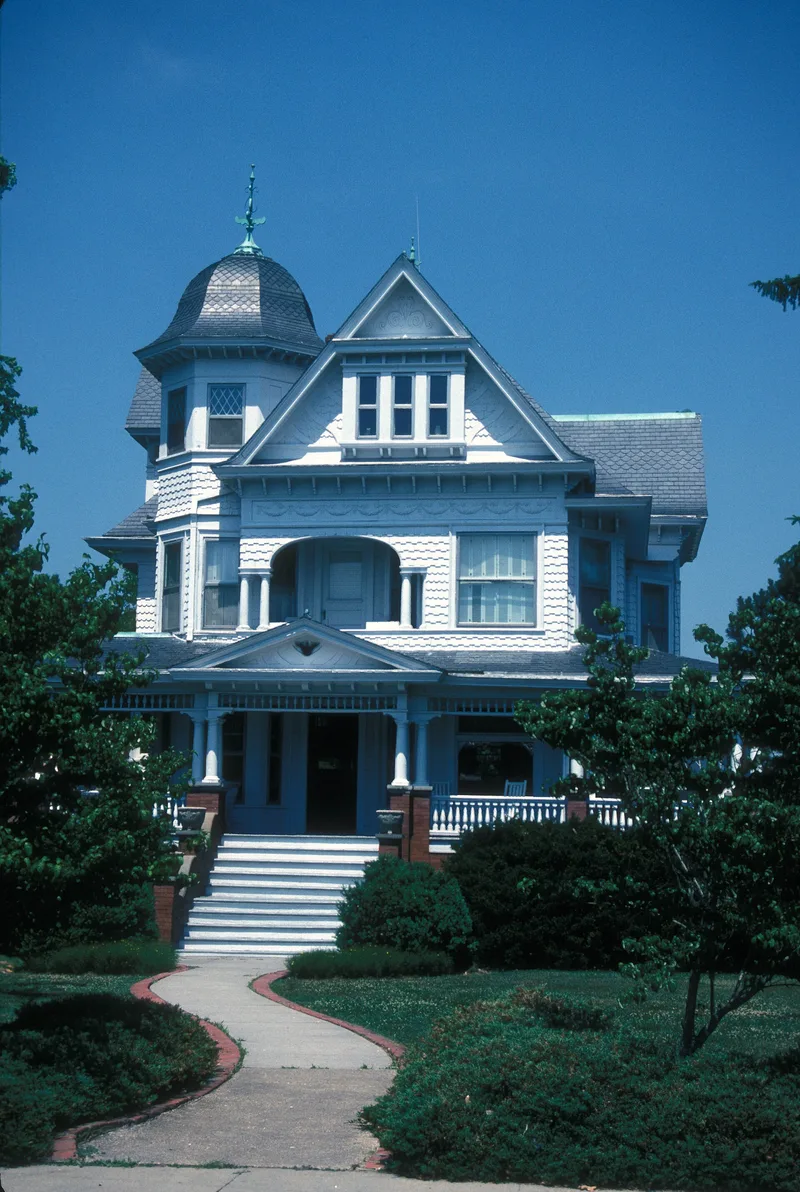
Reedville is a small maritime village on a half-mile peninsula in Northumberland County, Virginia, surrounded on three sides by Cockrell Creek. Founded in the 1870s, it grew from the menhaden fishing industry that Captain Elijah Reed brought south from New England. He opened the first factory on the point in 1875, and fifteen factories were working by 1885. The district holds seventy-eight structures, mostly late 19th- and early 20th-century frame houses with deep front porches. A few modest 1870s dwellings follow New England patterns. Among the larger buildings are the Queen Anne George Reed House and Albert Morris House, the brick mansion known as The Gables, and a row of five large houses called Millionaires Row. Bethany Methodist Church, the Masonic Hall and the 1910 People's Bank add public and commercial character. A 1925 fire destroyed the old waterfront factories, and later industrial buildings stand in their place. The district is notable for showing the wealth the fishing trade created.
Significance in brief: Reedville grew after the Civil War when Elijah Reed brought the menhaden fish-oil industry from New England to Virginia, and fifteen menhaden factories were operating by 1885. The district preserves a few 1870s New England-style workers' dwellings. It mainly reflects the turn-of-the-century prosperity of the town, with an unusually fine collection of late Victorian and early 20th-century homes built for industrialists, sea captains and merchants.
Machine-generated summary. This summary was generated by a language model from the official nomination document and has not been reviewed line by line by an editor. It may contain errors. Check the source document before relying on any detail. Source: nomination document (PDF) · National Archives catalog entry. NRHP reference 84003556, listed August 16, 1984. Summary generated October 2026 (model claude-sonnet-5-5, prompt v1.0-2026-10-29, confidence medium).
Key facts
| Address | VA 644 at VA 722, Reedville |
|---|---|
| County | Northumberland County |
| Listed | August 16, 1984 |
| Reference number | 84003556 |
| Resource type | District |
| Period of significance | 1800-1899, 1900- (specific dates 1870s to present) |
| Architectural style | Queen Anne, Colonial Revival, Gothic Revival, and vernacular late 19th- and early 20th-century buildings |
| Areas of significance | Industry, Architecture |
| Level of significance | State |
| Status (as stated in the nomination) | Condition is marked excellent, good, altered and deteriorated; occupied and unoccupied. The waterfront menhaden factories are gone, and the area has later warehouses and some abandoned stores and sheds. |
| Acreage | 49 |
| Coordinates | 37.84231, -76.27590 (NPS GIS) |
What listing means for this property
This is a historic district. Buildings within its boundary are either contributing (they add to the district's significance) or non-contributing. Owners of contributing income-producing buildings can claim the 20% federal rehabilitation tax credit; homeowners should look at state credits. National Register districts impose no design review by themselves; a local historic district ordinance, if one exists, does (the difference explained).
General information, not legal or tax advice. Rules change; confirm with your State Historic Preservation Office or a qualified adviser.
Sources and further reading
- National Park Service, National Register of Historic Places database (snapshot May 2026), reference 84003556.
- Nomination form (PDF, National Archives) — catalog entry
- Wikipedia article (used for cross-checking only; text not reproduced here)
- Wikidata Q15272200
- This listing as JSON
Last updated October 2026. Found an error? See the editorial policy for how to report it.