Lewisburg Historic District

Why it's listed
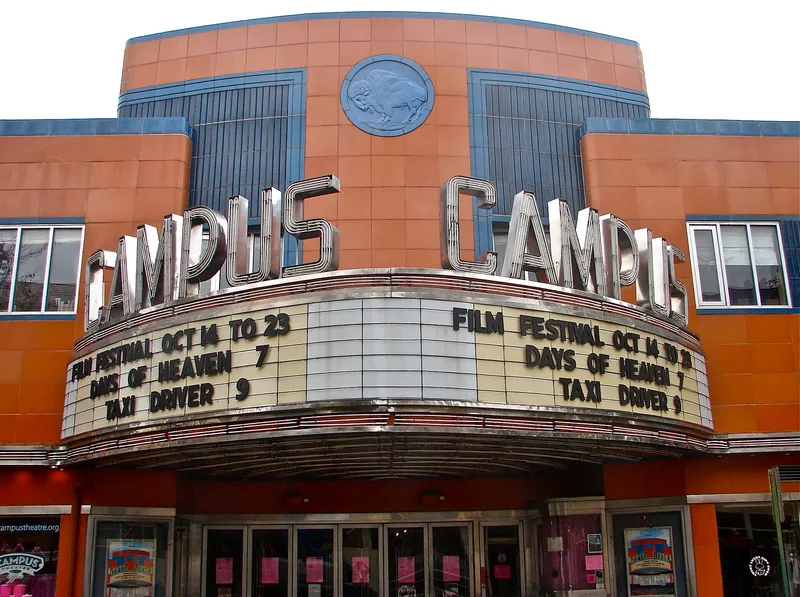
Lewisburg's historic district occupies level ground on the west bank of the West Branch of the Susquehanna, laid out on a regular grid around Market Street. Settlement began circa 1773, when miller Ludwig Derr established a grain mill, and the town was platted in 1785 with 350 lots. Its built fabric is mostly vernacular houses from the nineteenth century, many of them decorated with Greek Revival, Italianate or Queen Anne details. The district contains 743 primary buildings dating from circa 1773 to 1953, of which 398 date from circa 1825 to 1870, the main period of rebuilding. Commercial blocks on Market Street, the Union County Courthouse of 1856, and seventeen Bucknell University buildings from 1848 onward add public and institutional character. Lewisburg's role as a regional trading centre, its college and its county seat give the district its significance in commerce, education and government.
Significance in brief: The nomination argues the district is significant under Criterion A for commerce, education and politics/government, reflecting Lewisburg's role as a regional trade centre, college town and county seat. It is also significant under Criterion C for architecture, as an intact townscape showing a broad range of vernacular and high-style building traditions, especially Greek Revival and Italianate work from the mid-nineteenth century.
Machine-generated summary. This summary was generated by a language model from the official nomination document and has not been reviewed line by line by an editor. It may contain errors. Check the source document before relying on any detail. Source: nomination document (PDF) · National Archives catalog entry. NRHP reference 04000759, listed July 28, 2004. Summary generated October 2026 (model claude-haiku-5-5, prompt v1.1-2026-10-29, confidence medium).
Key facts
| Address | Roughly bounded by US 15, Beck St., Susquehanna River and Borough boundary, Lewisburg |
|---|---|
| County | Union County |
| Listed | July 28, 2004 |
| Reference number | 04000759 |
| Resource type | District |
| Period of significance | C. 1773-1953 |
| Architectural style | Italianate, Greek Revival, Queen Anne; also Colonial Revival, Craftsman, Federal, Gothic Revival, Romanesque Revival, Shingle Style, Victorian Gothic, Beaux Arts, Neoclassical, Art Deco and Tudor Revival examples |
| Criteria |
|
| Areas of significance | Architecture, Commerce, Education, Politics/Government |
| Level of significance | Local |
| Acreage | 260 |
| Coordinates | 40.96450, -76.88405 (NPS GIS) |
What listing means for this property
This is a historic district. Buildings within its boundary are either contributing (they add to the district's significance) or non-contributing. Owners of contributing income-producing buildings can claim the 20% federal rehabilitation tax credit; homeowners should look at state credits. National Register districts impose no design review by themselves; a local historic district ordinance, if one exists, does (the difference explained).
General information, not legal or tax advice. Rules change; confirm with your State Historic Preservation Office or a qualified adviser.
Sources and further reading
- National Park Service, National Register of Historic Places database (snapshot May 2026), reference 04000759.
- Nomination form (PDF, National Archives) — catalog entry
- Wikipedia article (used for cross-checking only; text not reproduced here)
- Wikidata Q6537285
- This listing as JSON
Last updated October 2026. Found an error? See the editorial policy for how to report it.