Lincoln Theatre
Also known as: Ogden Theatre and Ballroom

Why it's listed
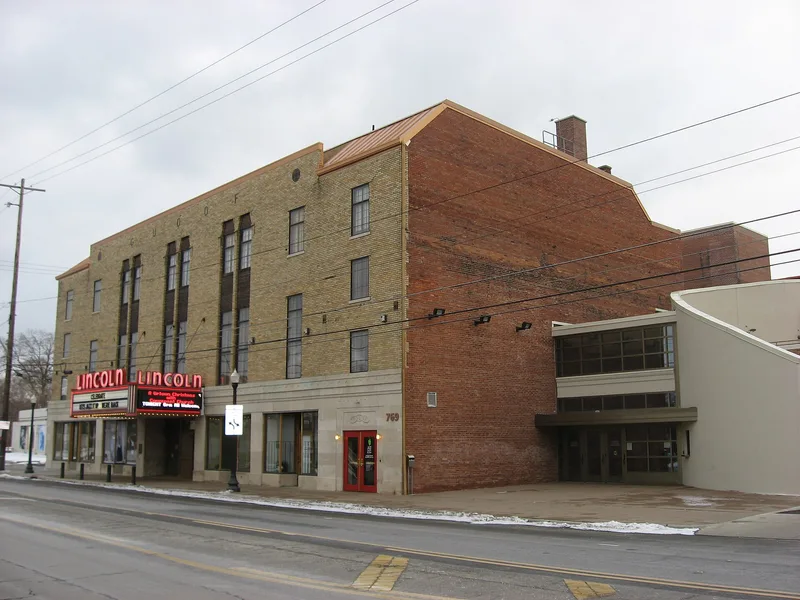
Completed in 1929 on East Long Street in Columbus, this three-story brick building combines four storefronts, a theater, a second-floor ballroom and lodge offices. It was built for the Grand United Order of Odd Fellows, an African-American fraternal organization, and constructed by the African-American firm of Carl Anderson of Dayton. No architect has been identified. The exterior is restrained, with limestone storefronts and a wave-pattern beltcourse, while the interior was decorated in an Egyptian Revival theme, parts of which survive. Opened as the Ogden Theatre and Ballroom and renamed Lincoln in 1939, it served Columbus's African-American community when many downtown businesses excluded them. The ballroom hosted jazz and big band performances. Long Street, known as the Million Dollar Block, declined after the 1960s, and nearby theaters were demolished. The building has been vacant and deteriorated, but it retains integrity and remains one of the few surviving buildings from that era.
Significance in brief: The nomination argues significance under Criterion A for its link to the cultural history of Columbus's African-American community. It was developed by an African-American fraternal order, built by an African-American construction company, and long served as a center of stage, screen and music entertainment. It is described as one of the best remaining vestiges of early 20th century African-American history in the city.
Machine-generated summary. This summary was generated by a language model from the official nomination document and has not been reviewed line by line by an editor. It may contain errors. Check the source document before relying on any detail. Source: nomination document (PDF) · National Archives catalog entry. NRHP reference 92001355, listed October 8, 1992. Summary generated October 2026 (model claude-sonnet-5-5, prompt v1.0-2026-10-29, confidence high).
Key facts
| Address | 77 E. Long St., Columbus |
|---|---|
| County | Franklin County |
| Listed | October 8, 1992 |
| Reference number | 92001355 |
| Resource type | Building |
| Period of significance | 1928-1942 |
| Architect / builder | Anderson, Carl, Builder; architect unknown |
| Architectural style | Other/Egyptian Revival Influence |
| Criteria |
|
| Areas of significance | Black |
| Level of significance | Local |
| Status (as stated in the nomination) | Vacant for at least 15 years and deteriorated but retaining a high level of integrity; owned by a non-profit organization about to begin rehabilitation. |
| Acreage | 0.9 |
| Within district | Hamilton Park Historic District |
| Coordinates | 39.96694, -82.98108 (NPS GIS) |
What listing means for this property
For an income-producing building, listing (individually or as a contributing building in a district) is the gateway to the 20% federal rehabilitation tax credit on qualified rehabilitation costs, often stackable with state credits. Work claiming the credit must follow the Secretary of the Interior's Standards and be approved in advance.
Listing does not restrict a private owner acting without federal money or permits; where federal funding or licensing is involved, Section 106 review applies.
Noted as vacant in the nomination. Nomination documents can be decades old; current status may differ. If you are considering buying an empty listed property, read the due-diligence checklist.
General information, not legal or tax advice. Rules change; confirm with your State Historic Preservation Office or a qualified adviser.
Sources and further reading
- National Park Service, National Register of Historic Places database (snapshot May 2026), reference 92001355.
- Nomination form (PDF, National Archives) — catalog entry
- Wikipedia article (used for cross-checking only; text not reproduced here)
- Wikidata Q6551046
- This listing as JSON
Last updated October 2026. Found an error? See the editorial policy for how to report it.