Westmoreland State Park Historic District

Why it's listed
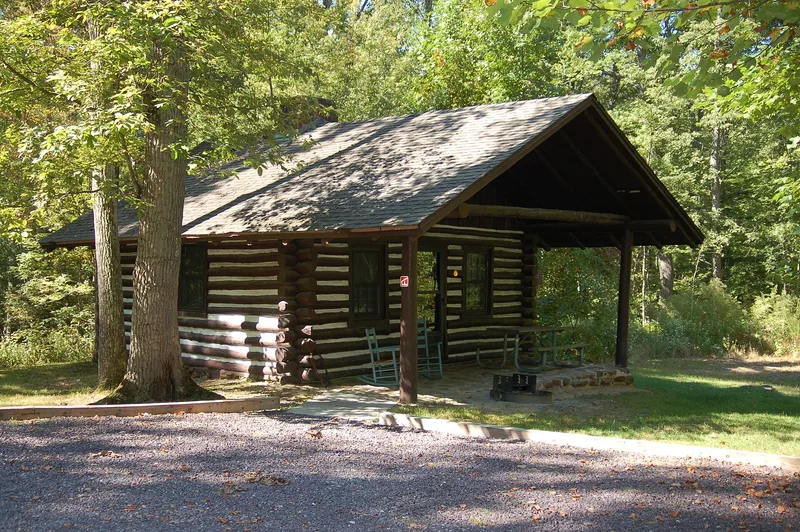
Westmoreland State Park occupies the Horsehead Cliffs and shoreline along the Potomac River in Westmoreland County, Virginia, next to Stratford Hall. The district holds 32 contributing and 26 noncontributing resources, including log and frame cabins, campgrounds, a restaurant building, picnic shelters, stone culverts, a fountain, a dam and water tower, hiking trails and a bulkheaded beach. Most of the historic fabric was built between 1933 and 1942 by Civilian Conservation Corps workers, who first built their own camp, a water system and maintenance shops before the roads, cabins and trails. The rustic cabins use hand-hewn logs, wide chinking and rough stone chimneys. The park entrance road, with its forested medians, follows National Park Service guidelines. The park was listed for its link to the Corps and to Virginia's early state park system, and for the preserved design of its plan and buildings. Later cabins from the 1950s and 1990s were added within the older layout.
Machine-generated summary. This summary was generated by a language model from the official nomination document and has not been reviewed line by line by an editor. It may contain errors. Check the source document before relying on any detail. Source: nomination document (PDF) · catalog entry. Generated October 2026 (model claude-sonnet-5-5, prompt v1.0-2026-10-29).
| Period of significance | 1933-1942 |
|---|---|
| Styles | Late 19th and Early 20th Century American Movements; Modern Movement |
| Areas of significance | Architecture, Entertainment/Recreation, Landscape Architecture |
| Acreage | 1299 |
| Boundary source | NPS cultural-resource GIS polygon |
| Full listing page | Westmoreland State Park Historic District (property record) |
What listing means for this property
This is a historic district. Buildings within its boundary are either contributing (they add to the district's significance) or non-contributing. Owners of contributing income-producing buildings can claim the 20% federal rehabilitation tax credit; homeowners should look at state credits. National Register districts impose no design review by themselves; a local historic district ordinance, if one exists, does (the difference explained).
General information, not legal or tax advice. Rules change; confirm with your State Historic Preservation Office or a qualified adviser.