Virginia Heights Historic District

Why it's listed
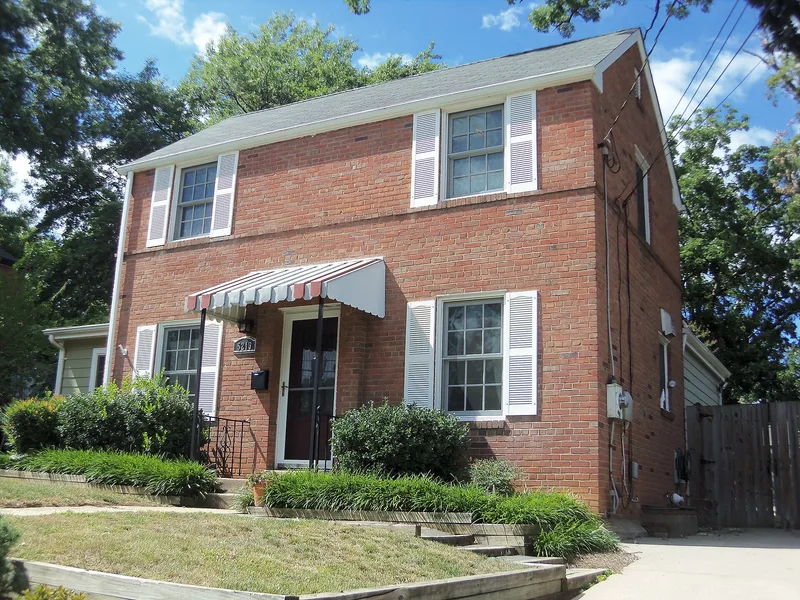
Virginia Heights is a mid-twentieth-century neighborhood on the southwestern edge of Arlington County, Virginia, directly on the Fairfax County line. It brings together four small subdivisions: Section Four of Columbia Forest, High Point, Virginia Heights and Frederick Hill. Tree-lined curving streets and cul-de-sacs shape the layout. The district records three phases of development. In 1947 the Lindsey Construction Company built twenty-six brick Colonial Revival houses based on Federal Housing Administration designs. In 1951 architect Charles M. Goodman designed twenty-one twin dwellings at High Point, built by Nathan Shapiro. From about 1950 onward, builders such as Old Dominion Development Corporation put up Cape Cod-type and ranch houses. Five prefabricated houses also stand here, including three Lustron houses from 1949. The district contains 117 contributing and 59 noncontributing resources, mostly houses with later garages or sheds. Many have replacement windows and siding, though the overall plan and housing types remain readable.
Machine-generated summary. This summary was generated by a language model from the official nomination document and has not been reviewed line by line by an editor. It may contain errors. Check the source document before relying on any detail. Source: nomination document (PDF) · catalog entry. Generated October 2026 (model claude-sonnet-5-5, prompt v1.0-2026-10-29).
| Styles | Colonial Revival; Modern Movement |
|---|---|
| Areas of significance | Architecture, Community Planning and Development |
| Acreage | 29.6 |
| Boundary source | NPS cultural-resource GIS polygon |
| Full listing page | Virginia Heights Historic District (property record) |
What listing means for this property
This is a historic district. Buildings within its boundary are either contributing (they add to the district's significance) or non-contributing. Owners of contributing income-producing buildings can claim the 20% federal rehabilitation tax credit; homeowners should look at state credits. National Register districts impose no design review by themselves; a local historic district ordinance, if one exists, does (the difference explained).
General information, not legal or tax advice. Rules change; confirm with your State Historic Preservation Office or a qualified adviser.