Truxtun Historic District

Why it's listed
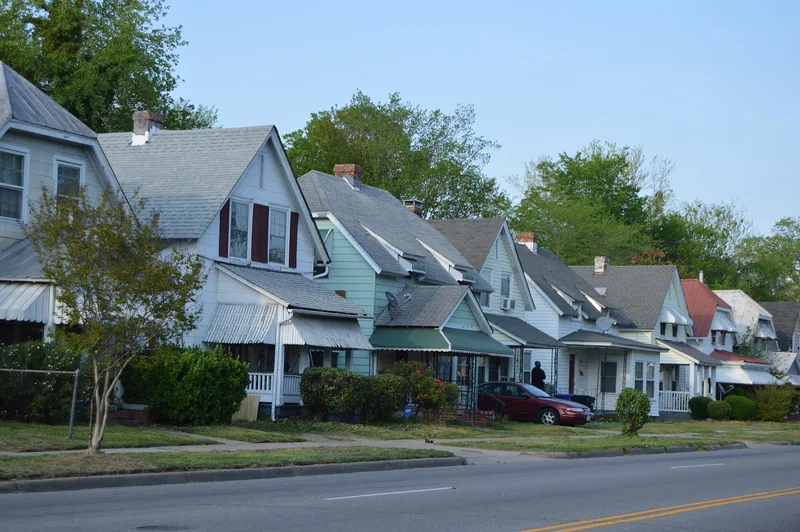
Truxtun is a planned neighborhood of about 250 small houses on forty-three acres in Portsmouth, Virginia. Built between 1918 and 1920 by the U.S. Housing Corporation, it housed workers at the Norfolk Naval Shipyard during World War I and was reserved for Black residents, in line with federal segregation policy of the time. It is described as the first wartime government housing project built exclusively for Black citizens in the country. Project Architect R. E. Mitchell and Town Planner H. P. Kelsey derived every house from a single five-room plan, varied into four exterior types, with jerkinhead roofs as a hallmark. Streets follow a grid with planting strips and staggered setbacks, and a school, church site and shops were set around the main crossroads. Only the school was completed. Most houses have since received new siding, altered porches or additions, yet the roof lines and street plan still convey the original design. Home ownership is high, and many residents have lived there for decades.
Machine-generated summary. This summary was generated by a language model from the official nomination document and has not been reviewed line by line by an editor. It may contain errors. Check the source document before relying on any detail. Source: nomination document (PDF) · catalog entry. Generated October 2026 (model claude-sonnet-5-5, prompt v1.0-2026-10-29).
| Period of significance | 1918-1920 |
|---|---|
| Areas of significance | Community Planning and Development, Military, Architecture |
| Acreage | 43 |
| Boundary source | NPS cultural-resource GIS polygon |
| Full listing page | Truxtun Historic District (property record) |
What listing means for this property
This is a historic district. Buildings within its boundary are either contributing (they add to the district's significance) or non-contributing. Owners of contributing income-producing buildings can claim the 20% federal rehabilitation tax credit; homeowners should look at state credits. National Register districts impose no design review by themselves; a local historic district ordinance, if one exists, does (the difference explained).
General information, not legal or tax advice. Rules change; confirm with your State Historic Preservation Office or a qualified adviser.