Three Chopt Road Historic District

Why it's listed
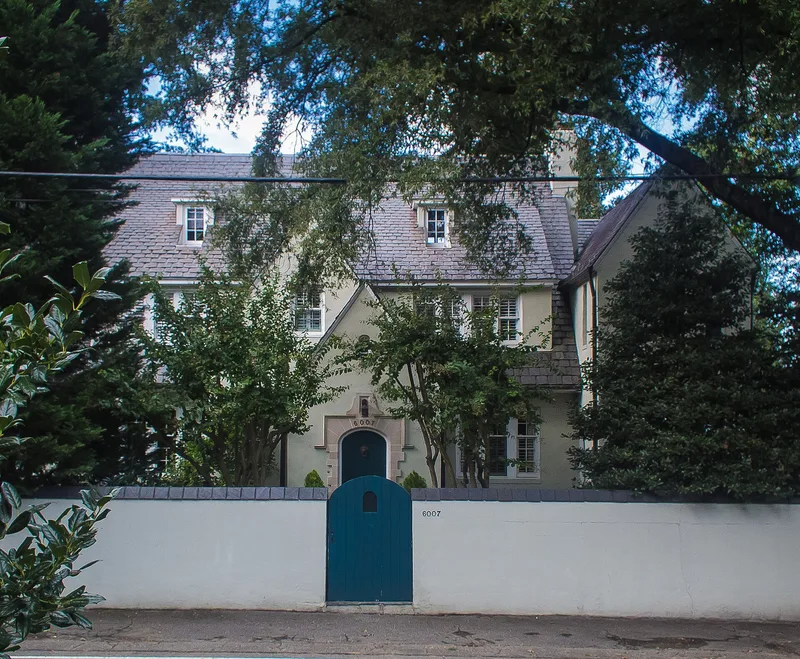
Three Chopt Road in Richmond's Westhampton area is lined with large houses and three churches built between 1890 and 1950. The 1.3-mile corridor runs from Cary Street Road north to Bandy Road. It began as a colonial country road through farmland and changed after the Westhampton Park streetcar line opened in 1901, drawing wealthier Richmonders who wanted to leave the crowded city. Growth here followed no master plan. Houses went up singly or in small clusters on wooded lots from half an acre to two and a half acres, and the road still has few curbs or sidewalks. Architects designed most of the houses, producing a mix of Colonial Revival, Beaux Arts, Tudor Revival, Craftsman and other styles, some with gardens by landscape architects such as Charles Gillette. W. Duncan Lee designed many of them. The district also includes St. Stephen's Church and Green's Farm, both already listed, and a surviving stretch of the streetcar right-of-way. Its architecture and setting remain largely intact.
Machine-generated summary. This summary was generated by a language model from the official nomination document and has not been reviewed line by line by an editor. It may contain errors. Check the source document before relying on any detail. Source: nomination document (PDF) · catalog entry. Generated October 2026 (model claude-sonnet-5-5, prompt v1.0-2026-10-29).
| Styles | Federal, Gothic Revival, Beaux Arts, Classical Revival, Colonial and Georgian Revival, Tudor Revival, Mediterranean Revival, Queen Anne, Shingle Style, Bungalow/Craftsman, International Style |
|---|---|
| Areas of significance | Architecture, Transportation |
| Acreage | 65 |
| Boundary source | NPS cultural-resource GIS polygon |
| Full listing page | Three Chopt Road Historic District (property record) |
What listing means for this property
This is a historic district. Buildings within its boundary are either contributing (they add to the district's significance) or non-contributing. Owners of contributing income-producing buildings can claim the 20% federal rehabilitation tax credit; homeowners should look at state credits. National Register districts impose no design review by themselves; a local historic district ordinance, if one exists, does (the difference explained).
General information, not legal or tax advice. Rules change; confirm with your State Historic Preservation Office or a qualified adviser.