Sunray Agricultural Historic District

Why it's listed
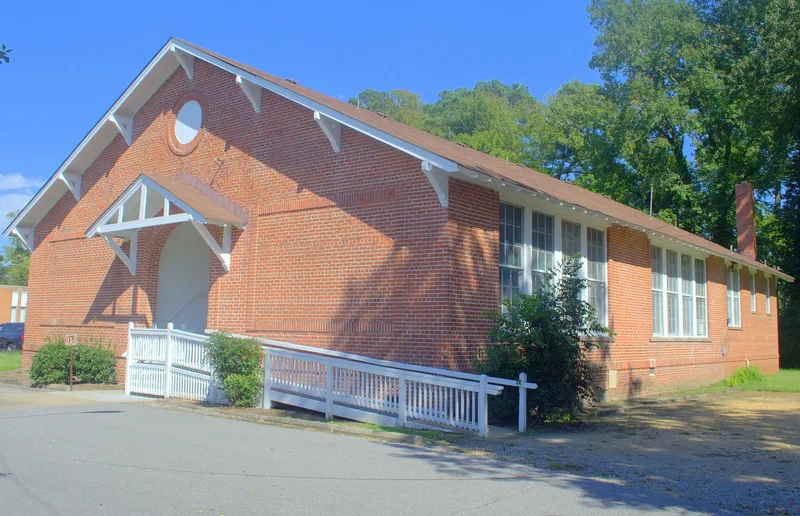
Sunray is a planned farming community in Chesapeake, Virginia, laid out in 1908 by the Southern Homestead Company between the Great Dismal Swamp and what is now Interstate 64. Rectangular fields run north to south and are divided by handmade brackish-water tidal ditches and paved roads. Early 20th century farmhouses sit about twenty-five feet back from the roads, with barns and sheds clustered nearby. At the entrance, where the road meets the abandoned Virginian Railroad tracks, stand St. Mary's Catholic Church, built in 1915-1916 in Gothic Revival style, and a brick Craftsman-style school from 1922 built to a state standard design. Carpenter Michale Pavlovetz built an ornate house on Homestead Avenue and helped neighbors build theirs. Mid-century ranch and Colonial Revival houses were added on subdivided plots without disturbing the original layout. The district is recognized for its agriculture, community planning and immigrant heritage between 1908 and 1956.
Machine-generated summary. This summary was generated by a language model from the official nomination document and has not been reviewed line by line by an editor. It may contain errors. Check the source document before relying on any detail. Source: nomination document (PDF) · catalog entry. Generated October 2026 (model claude-sonnet-5-5, prompt v1.0-2026-10-29).
| Period of significance | 1908-1956 |
|---|---|
| Styles | Late 19th and 20th Century Revivals (Colonial Revival, Late Gothic Revival); Bungalow/Craftsman; Modern Movement: Other |
| Areas of significance | Agriculture, Community Planning and Development, European |
| Acreage | 1264 |
| Boundary source | NPS cultural-resource GIS polygon |
| Full listing page | Sunray Agricultural Historic District (property record) |
What listing means for this property
This is a historic district. Buildings within its boundary are either contributing (they add to the district's significance) or non-contributing. Owners of contributing income-producing buildings can claim the 20% federal rehabilitation tax credit; homeowners should look at state credits. National Register districts impose no design review by themselves; a local historic district ordinance, if one exists, does (the difference explained).
General information, not legal or tax advice. Rules change; confirm with your State Historic Preservation Office or a qualified adviser.