Stonega Historic District

Why it's listed
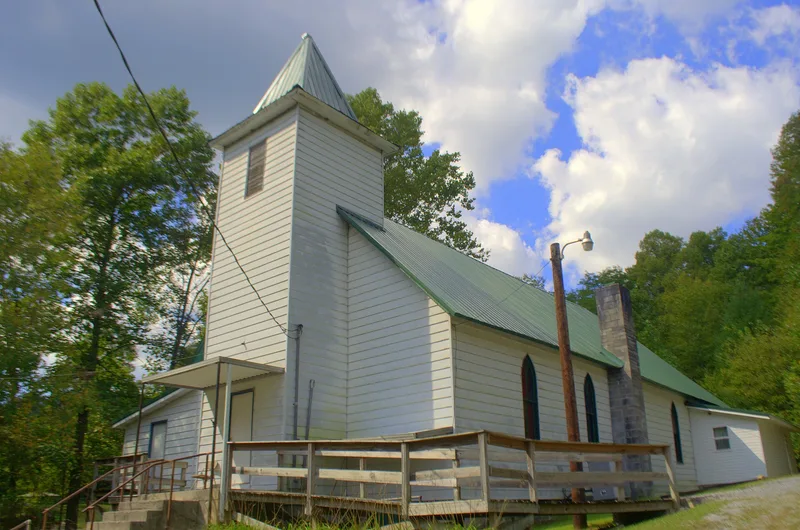
Stonega is a coal company town strung along Callahans Creek in the mountains of eastern Wise County, near the Kentucky line. The Stonega Coke and Coal Company opened it in 1896, and most surviving buildings date from 1895 to about 1915. The remaining resources fall into three groups: Red Row, a historically Black neighborhood of double houses; a central area made up of the Park, Quality Row and Hunktown; and Midway, a later row of single-family houses built in 1914. Housing followed company rank, with large frame houses for managers and doctors on Park Place and board-and-batten duplexes for miners. The Stonega Colored School, a two-story frame building, served as a school and a community meeting place for the segregated Red Row community. Two brick buildings from the late 1930s, a bathhouse and a supply warehouse, survive near the old coke oven site. The district is recognized for its architecture and its role in coal industry history from 1895 to 1952.
Machine-generated summary. This summary was generated by a language model from the official nomination document and has not been reviewed line by line by an editor. It may contain errors. Check the source document before relying on any detail. Source: nomination document (PDF) · catalog entry. Generated October 2026 (model claude-sonnet-5-5, prompt v1.0-2026-10-29).
| Period of significance | 1895-1952 |
|---|---|
| Styles | Colonial Revival; Bungalow/Craftsman; Gothic Revival |
| Areas of significance | Architecture, Industry |
| Acreage | 105 |
| Boundary source | NPS cultural-resource GIS polygon |
| Full listing page | Stonega Historic District (property record) |
What listing means for this property
This is a historic district. Buildings within its boundary are either contributing (they add to the district's significance) or non-contributing. Owners of contributing income-producing buildings can claim the 20% federal rehabilitation tax credit; homeowners should look at state credits. National Register districts impose no design review by themselves; a local historic district ordinance, if one exists, does (the difference explained).
General information, not legal or tax advice. Rules change; confirm with your State Historic Preservation Office or a qualified adviser.