Quantico Marine Corps Base Historic District

Why it's listed
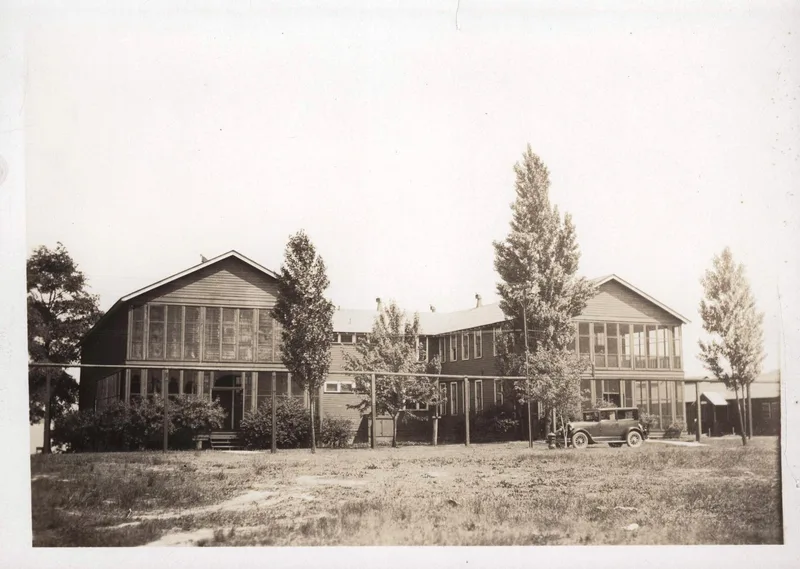
Quantico Marine Corps Base occupies roughly 100 square miles along the western shore of the Potomac River in Prince William and Stafford Counties, Virginia. Its historic district includes 239 contributing buildings, structures, sites and objects, most dating from 1918 to 1949, organized into seven themes: aviation, education, first permanent construction, Lustron houses, the Naval Clinic, African American Marine barracks, and industrial facilities. Aviation is a major part of the story. Between 1918 and 1946 the base's air fields served as the Marine Corps' primary aviation center. The surviving brick and steel hangars at the Air Facility, formerly Turner Field, reflect growing aircraft size and wartime training needs. Colonial Revival barracks and the Naval Regional Medical Clinic buildings, including a three-story brick hospital completed in 1939, show the base's permanent construction. Prefabricated metal Lustron houses from 1949 add a postwar housing chapter. The district was listed for its military history and architecture.
Machine-generated summary. This summary was generated by a language model from the official nomination document and has not been reviewed line by line by an editor. It may contain errors. Check the source document before relying on any detail. Source: nomination document (PDF) · catalog entry. Generated October 2026 (model claude-sonnet-5-5, prompt v1.0-2026-10-29).
| Period of significance | 1918-1948, and 1949 |
|---|---|
| Styles | Colonial Revival, Late 19th and 20th Century Revivals, Bungalow/Craftsman, and ranch types, plus Lustron prefabricated houses |
| Areas of significance | Architecture, Military, Black, Health/Medicine, Education |
| Acreage | 1025 |
| Boundary source | NPS cultural-resource GIS polygon |
| Full listing page | Quantico Marine Corps Base Historic District (property record) |
What listing means for this property
This is a historic district. Buildings within its boundary are either contributing (they add to the district's significance) or non-contributing. Owners of contributing income-producing buildings can claim the 20% federal rehabilitation tax credit; homeowners should look at state credits. National Register districts impose no design review by themselves; a local historic district ordinance, if one exists, does (the difference explained).
General information, not legal or tax advice. Rules change; confirm with your State Historic Preservation Office or a qualified adviser.