Presbyterian Orphans Home

Why it's listed
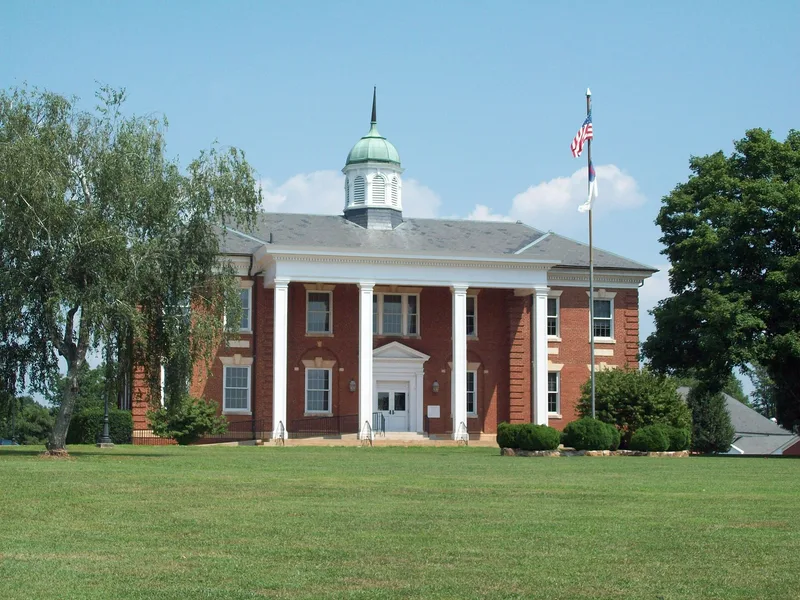
Presbyterian Orphans Home is a 166-acre campus on Linden Avenue in Lynchburg, Virginia, begun in 1911. Its core is a horseshoe of two-and-a-half-story brick Georgian Revival buildings with slate roofs, arranged around a green of about two acres. The large Administration Building anchors the group, and Scruggs, Shelton, Terry, Caskie, Paxton and Noble cottages follow a shared design drawn by the architects Lewis & Burnham. A Greek Revival gymnasium from 1939, a brick power plant, farmhouses and agricultural outbuildings complete the grounds, which also include ponds, pastures and two streams. The property is significant as an example of the cottage plan of orphanage design. Its board adopted the approach in 1905, housing children in small clusters under a cottage mother to imitate family life instead of the large dormitories of older institutions. The nomination describes the plan as uncommon in Virginia at the time. The campus remains in active use.
Machine-generated summary. This summary was generated by a language model from the official nomination document and has not been reviewed line by line by an editor. It may contain errors. Check the source document before relying on any detail. Source: nomination document (PDF) · catalog entry. Generated October 2026 (model claude-sonnet-5-5, prompt v1.0-2026-10-29).
| Styles | Georgian Revival, Greek Revival, Vernacular (early 20th century) |
|---|---|
| Areas of significance | Architecture, Social History |
| Acreage | 166 |
| Boundary source | NPS cultural-resource GIS polygon |
| Full listing page | Presbyterian Orphans Home (property record) |
What listing means for this property
This is a historic district. Buildings within its boundary are either contributing (they add to the district's significance) or non-contributing. Owners of contributing income-producing buildings can claim the 20% federal rehabilitation tax credit; homeowners should look at state credits. National Register districts impose no design review by themselves; a local historic district ordinance, if one exists, does (the difference explained).
General information, not legal or tax advice. Rules change; confirm with your State Historic Preservation Office or a qualified adviser.