Portsmouth Olde Towne Historic District (Boundary Increase)

Why it's listed
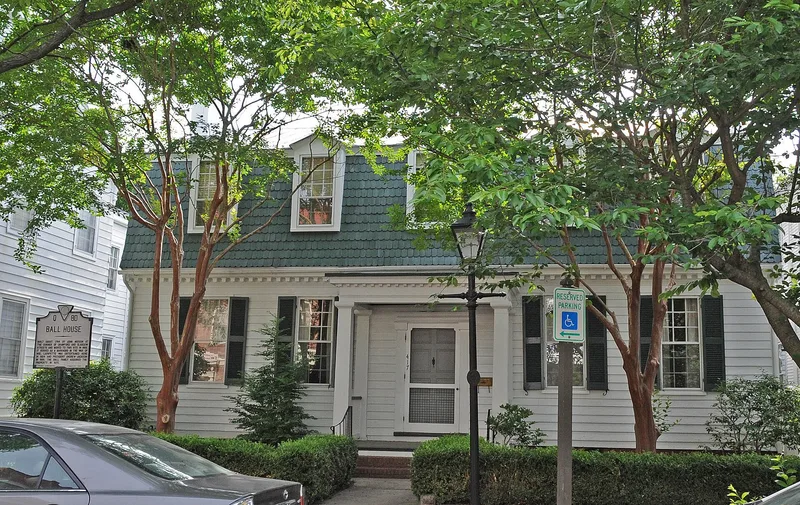
Two additions to Portsmouth's Olde Towne Historic District bring in about four blocks of modest late 19th- and early 20th-century city housing, along with three prominent churches. Area A lies west of the original district on North Street. It holds five turn-of-the-century vernacular houses traditionally occupied by black residents, and it is anchored by Emanuel A.M.E. Church, built in 1857. That church was the first in Portsmouth built by blacks for blacks, and its congregation is the oldest black congregation in southeastern Virginia. Area B stretches between London Boulevard and Queen Street, with narrow lots, double houses, detached homes and some apartment buildings, many of which once served as both residences and offices. Court Street Baptist Church (1901-03) is a Romanesque Revival landmark, and Monumental Methodist Church (1876) is Gothic Revival. Both congregations date to the late 18th century and founded other congregations in the Tidewater area. Granite curbs and brick sidewalks match the older district. Of 49 structures, three are noncontributing.
Machine-generated summary. This summary was generated by a language model from the official nomination document and has not been reviewed line by line by an editor. It may contain errors. Check the source document before relying on any detail. Source: nomination document (PDF) · catalog entry. Generated October 2026 (model claude-sonnet-5-5, prompt v1.0-2026-10-29).
| Styles | Vernacular domestic architecture with Italianate, Gothic Revival, Romanesque Revival, Queen Anne and other late 19th-century styles |
|---|---|
| Areas of significance | Black, Architecture |
| Acreage | 68 |
| Boundary source | NPS cultural-resource GIS polygon |
| Full listing page | Portsmouth Olde Towne Historic District (Boundary Increase) (property record) |
What listing means for this property
This is a historic district. Buildings within its boundary are either contributing (they add to the district's significance) or non-contributing. Owners of contributing income-producing buildings can claim the 20% federal rehabilitation tax credit; homeowners should look at state credits. National Register districts impose no design review by themselves; a local historic district ordinance, if one exists, does (the difference explained).
General information, not legal or tax advice. Rules change; confirm with your State Historic Preservation Office or a qualified adviser.